
Sunflower, corn, rapeseed and safflower oil are among the most widely used cooking oils there are, and they sit in almost every processed food. In recent years they have come under fire – often in a tone that helps neither the subject nor you. This article sorts out what the argument actually turns on.
What seed oils are
Seed oils are pressed from the seeds of plants, usually followed by extraction and refining. They consist predominantly of polyunsaturated fatty acids, above all linoleic acid – an omega-6 fatty acid.
What the debate turns on: the omega ratio
Omega-6 and omega-3 fatty acids are both essential; the body cannot make them itself. What is debated is their ratio to one another. In the Western diet it sits somewhere between 10:1 and 20:1 in favour of omega 6, depending on the survey; historically it is likely to have been far narrower. How strongly that matters is not settled in the research, and expert bodies read the evidence differently. Anyone promising certainty here – in either direction – is going beyond what is known.
Heat and oxidation
Polyunsaturated fatty acids carry several double bonds and therefore react more readily with oxygen. Under strong heat, long storage and exposure to light, oxidation products form that change smell and taste. This part is uncontested and practically relevant: oils high in polyunsaturated fats are poorly suited to hard searing – regardless of how you judge their fatty acid profile otherwise.
What can go in the pan instead
- Olive oil – predominantly monounsaturated, good for medium heat
- Butter and clarified butter – clarified butter takes higher temperatures than butter
- Coconut oil – high in saturated fat and correspondingly heat-stable
- Bone marrow from grass-fed cattle – heat-stable, from the same organic and KRAV source as our organs
The other side of the equation: omega 3
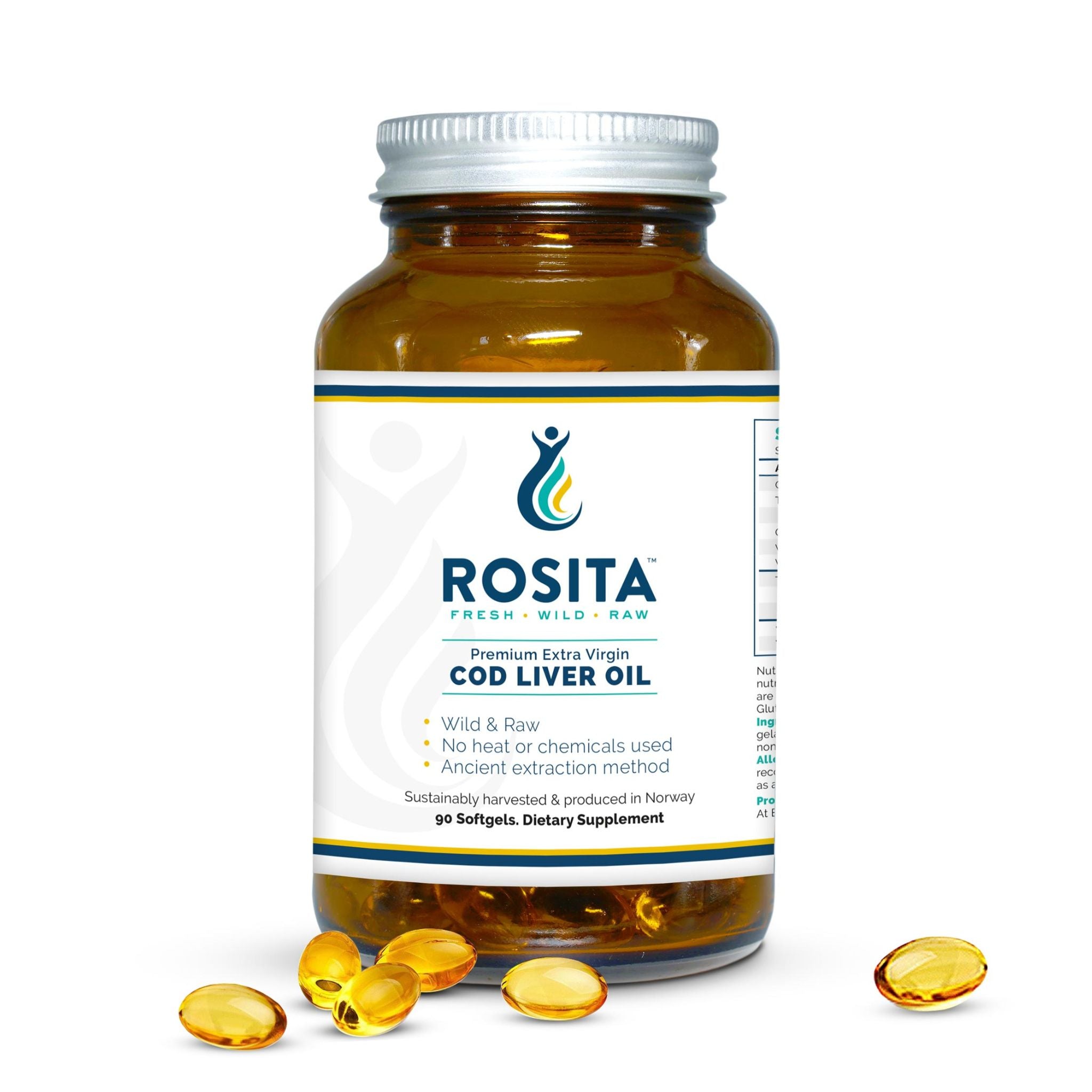
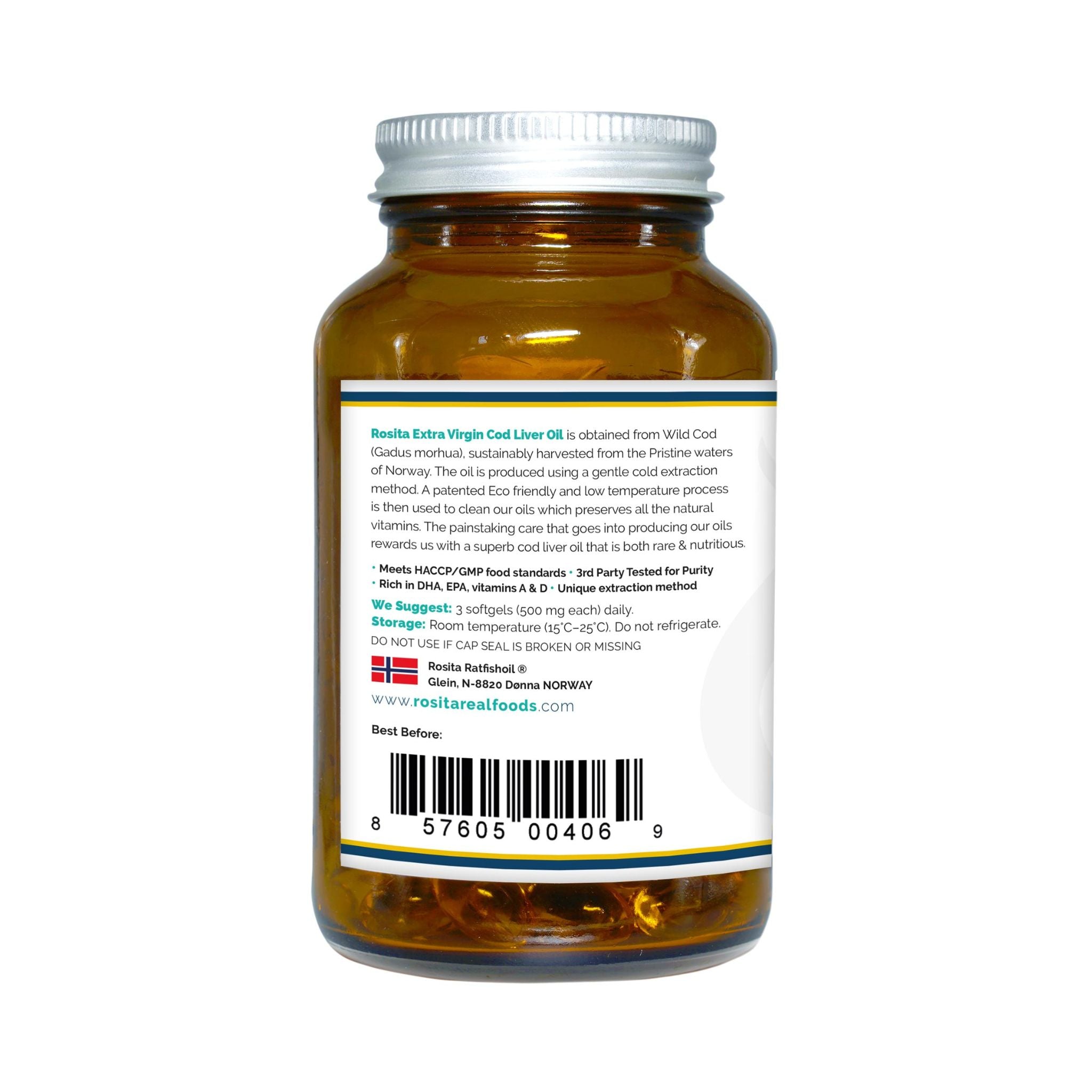
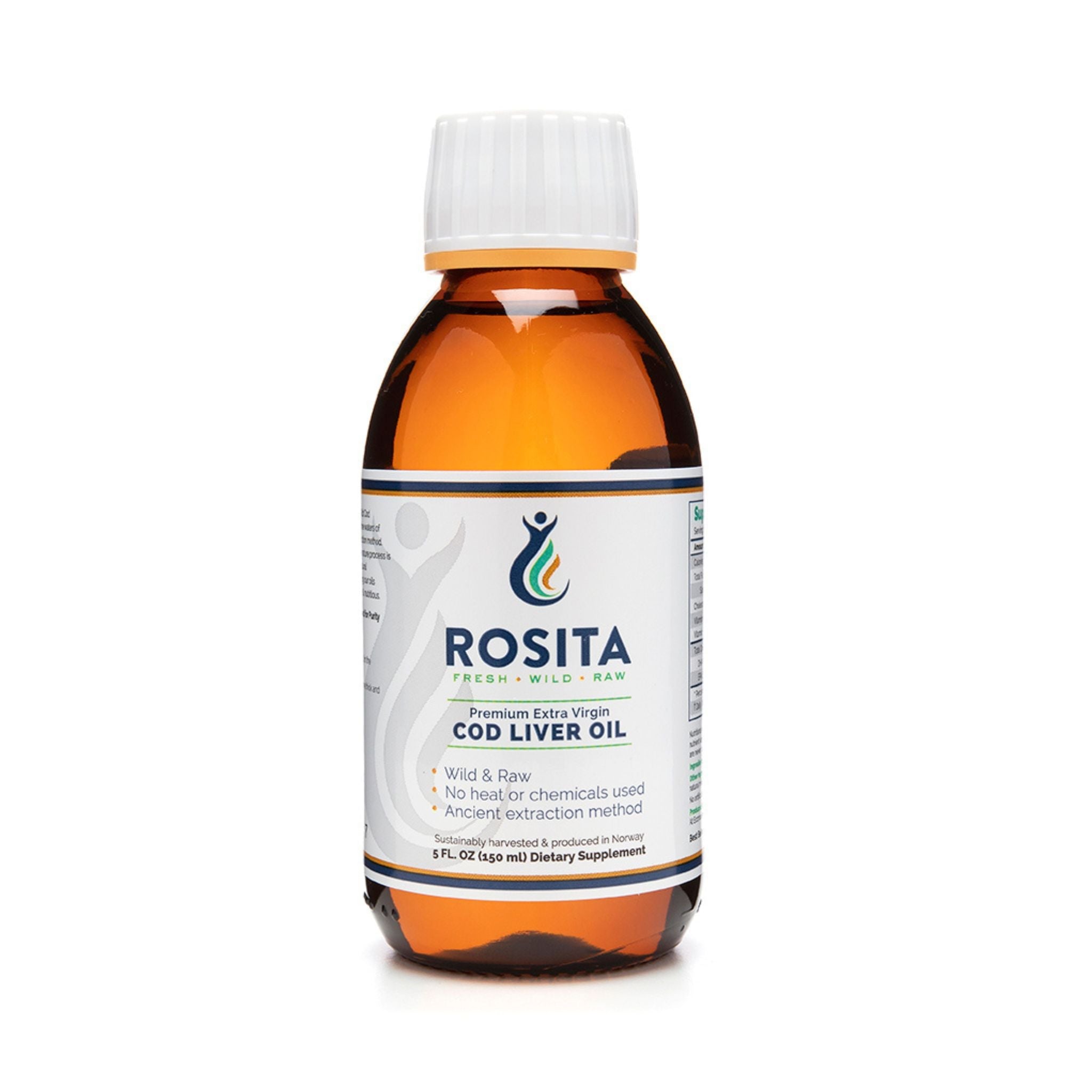
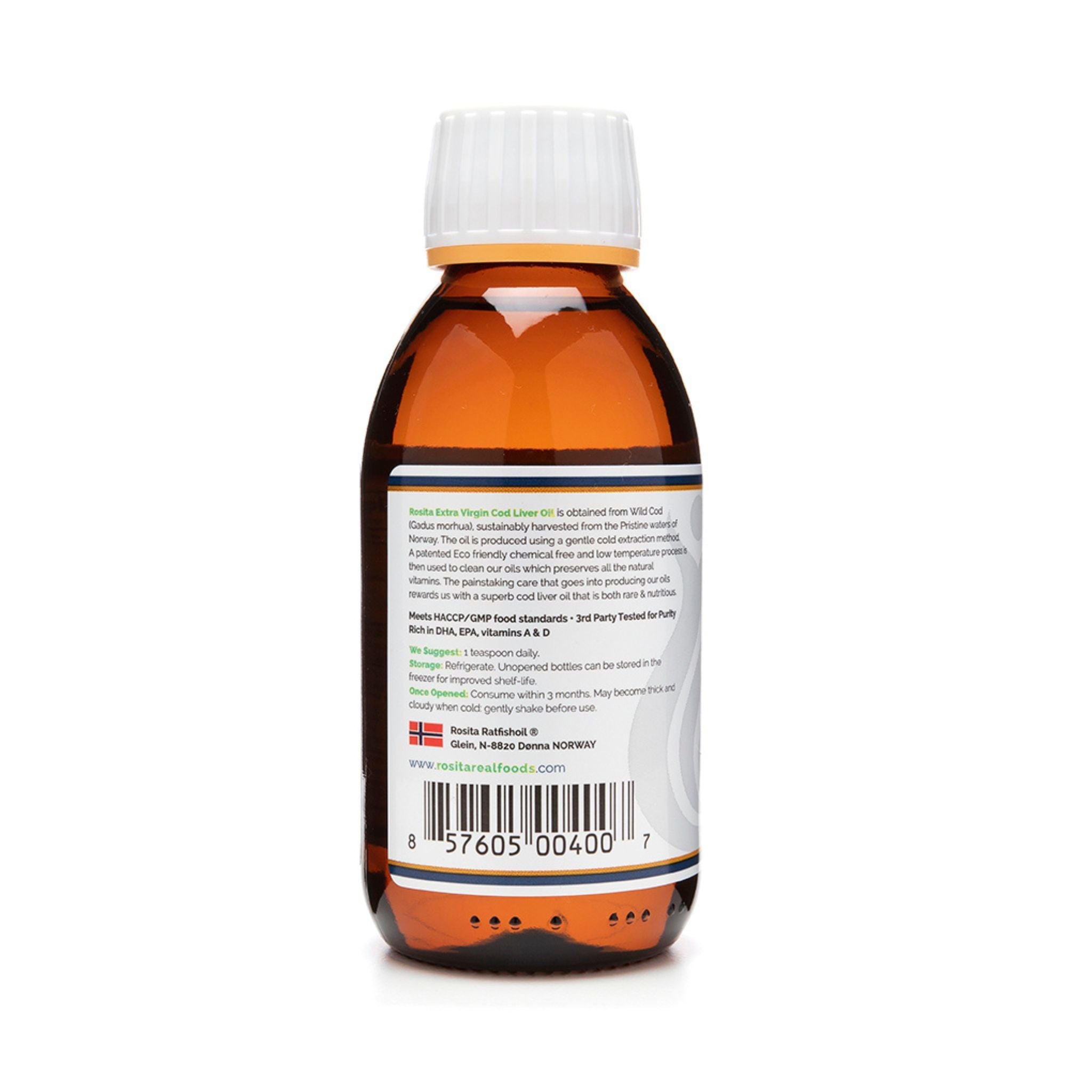
You can also work on the ratio from the omega-3 side. The long-chain forms EPA and DHA occur almost exclusively in fish and algae: in Rosita EVCLO cod liver oil, extracted from wild cod without heat and without chemicals, in MSC-certified fish oil and – plant-based – in algae oil. The full range sits under Omega 3 & Fish Oil.
In short
Seed oils are neither poison nor health product. Two things can be stated soberly: they are ill-suited to high heat, and they contribute substantially to omega-6 intake – mostly through processed food, not through the bottle in your kitchen. If you want to shape your fatty acid profile more deliberately, that gives you two levers: less processed food, and more omega 3.