
Blog
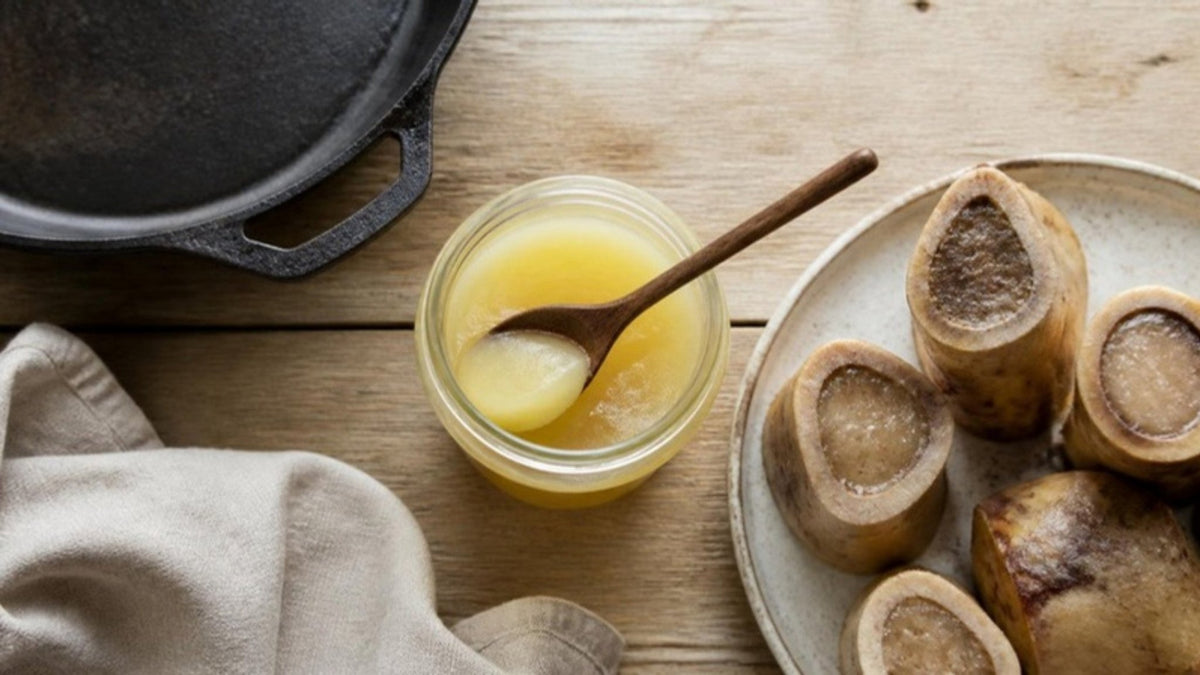
Bone marrow: the oldest fat in the kitchen
For millennia, bone marrow was an everyday food – today it has almost vanished from the shelves. What it is, why it suits frying and what matters about its origin. In Switzerland, we are currently ...
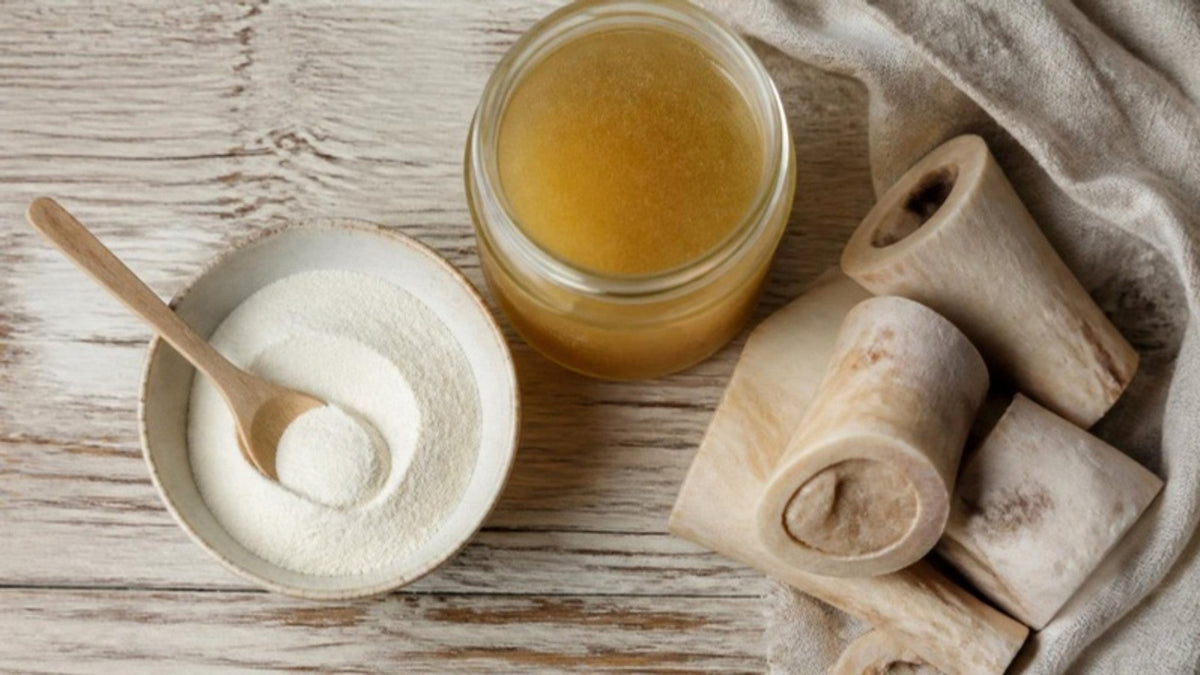
Collagen: from bone to powder
Collagen is the most abundant protein in the vertebrate body – and as a powder, a product with wide quality differences. What it is made from, what “hydrolysed” means and how bone broth, peptides a...
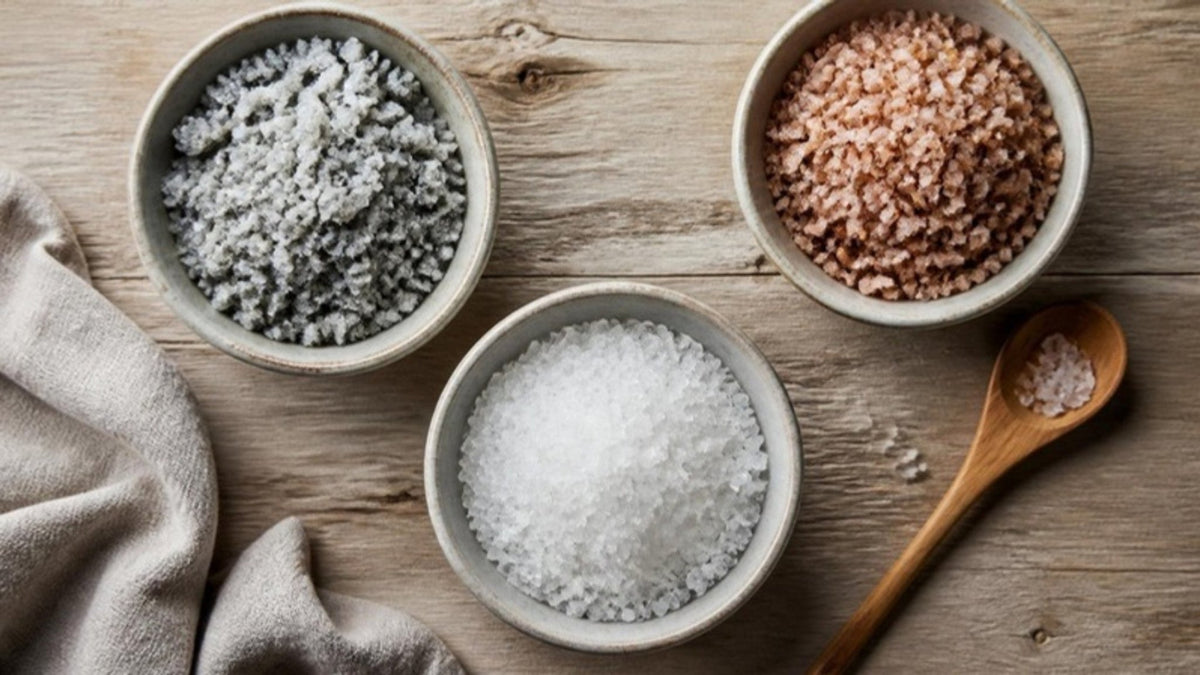
Sea salt, rock salt, desert salt: where salt comes from and what sets it apart
Every salt ultimately comes from the sea – it is just a question of how long ago. How sea salt, rock salt and desert salt are produced, what «unrefined» means and why moist salt does not belong in ...

Chlorella: the alga with the tough shell
Chlorella is a single-celled freshwater alga with a cell wall that the human digestive tract cannot crack. Why breaking the cell wall is the decisive processing step – and what sets it apart from s...
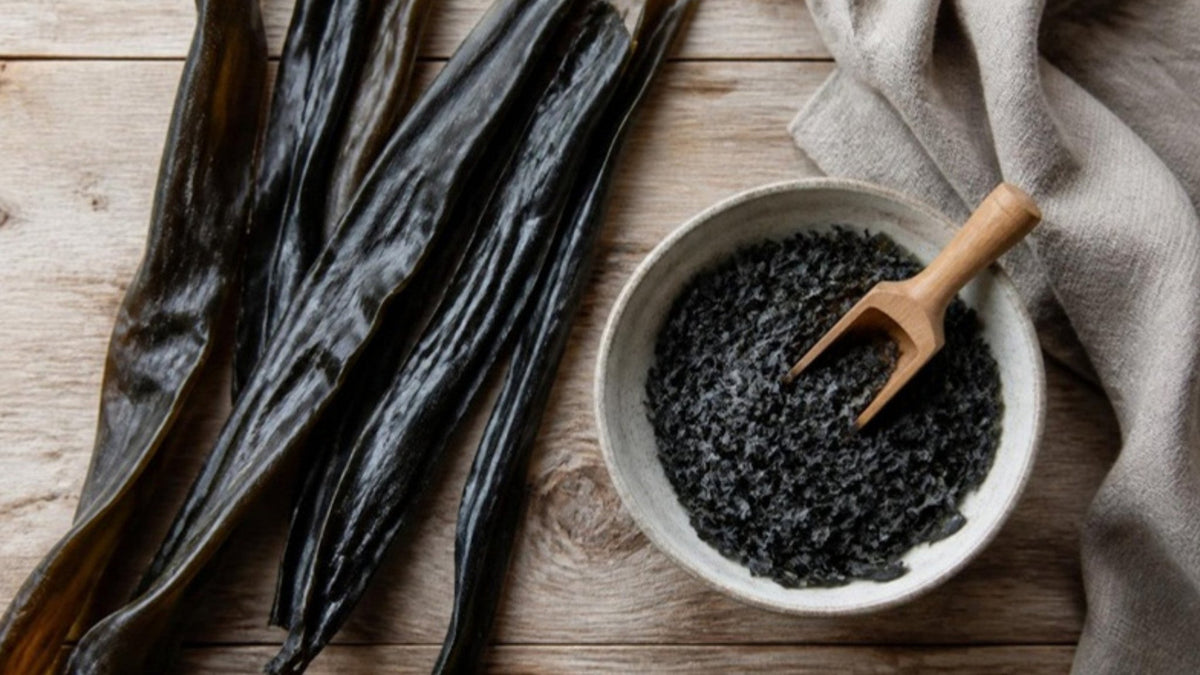
Iodine from seaweed: why amount and origin matter
Seaweed is by far the richest food group in iodine – and the one with the widest variation. What that means in practice, why Switzerland iodises its salt and what you should look out for with seawe...
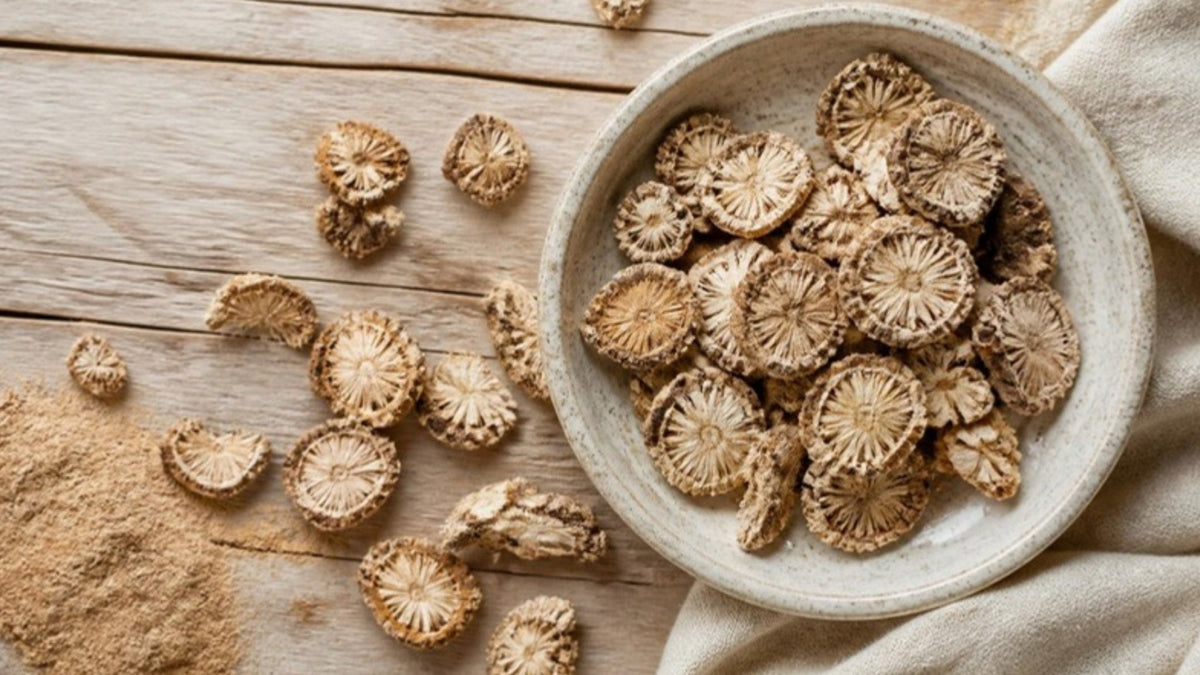
Devil’s claw: the root from the Kalahari
Harpagophytum procumbens grows only in southern Africa, and what is harvested is not the plant itself but its storage tuber. Where the name comes from and why sustainable harvesting is a real issue...
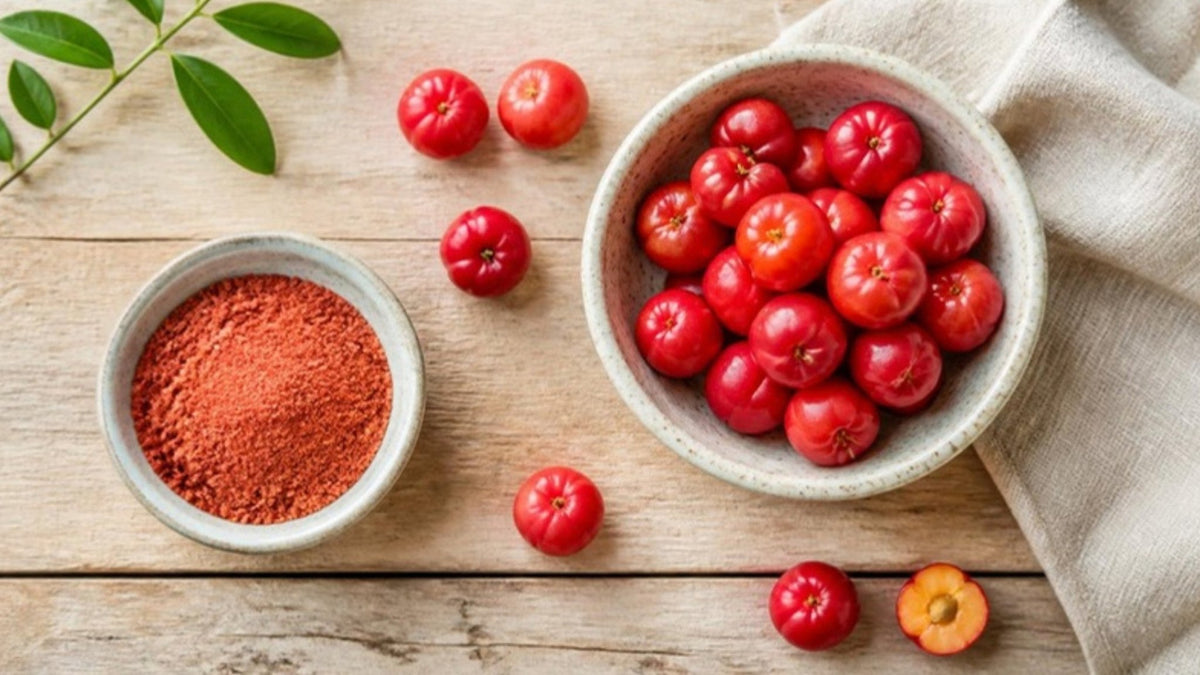
Acerola: the cherry that isn’t one
Acerola is one of the richest fruits in vitamin C in the world – and so perishable that it never makes it to Europe fresh. Why that is and what distinguishes natural from synthetic vitamin C.
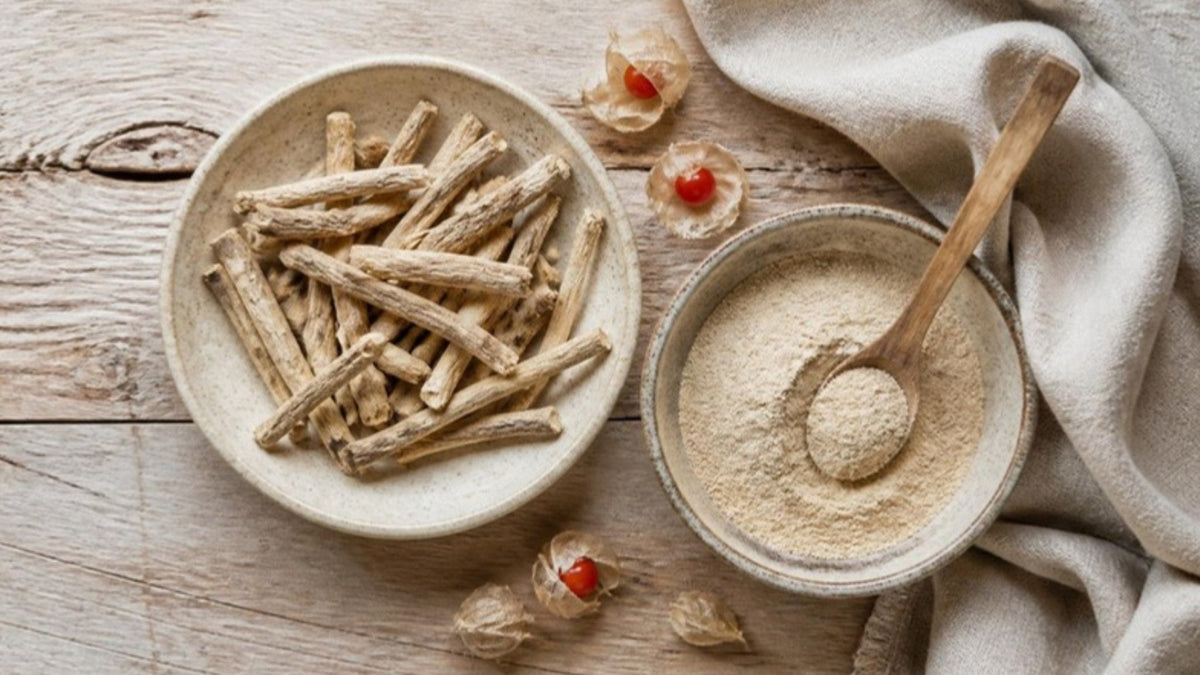
Ashwagandha: winter cherry, root and leaf
Ashwagandha is the best-known adaptogen – and the one where a close look at the label pays off most. Why root rather than leaf matters and where the name «smell of the horse» comes from.

Fenugreek: the seed that smells of maple syrup
Fenugreek is in every curry powder, and in larger amounts it smells of maple syrup – not as a metaphor, but because of the very same aroma compound. Origin, uses and what you notice when you take it.