
Ashwagandha (Withania somnifera) belongs to the nightshade family – so it is related to tomatoes, potatoes and peppers – and comes from the dry regions of India, the Middle East and North Africa. In Ayurveda, the root is among the longest-used plants of all.
The name
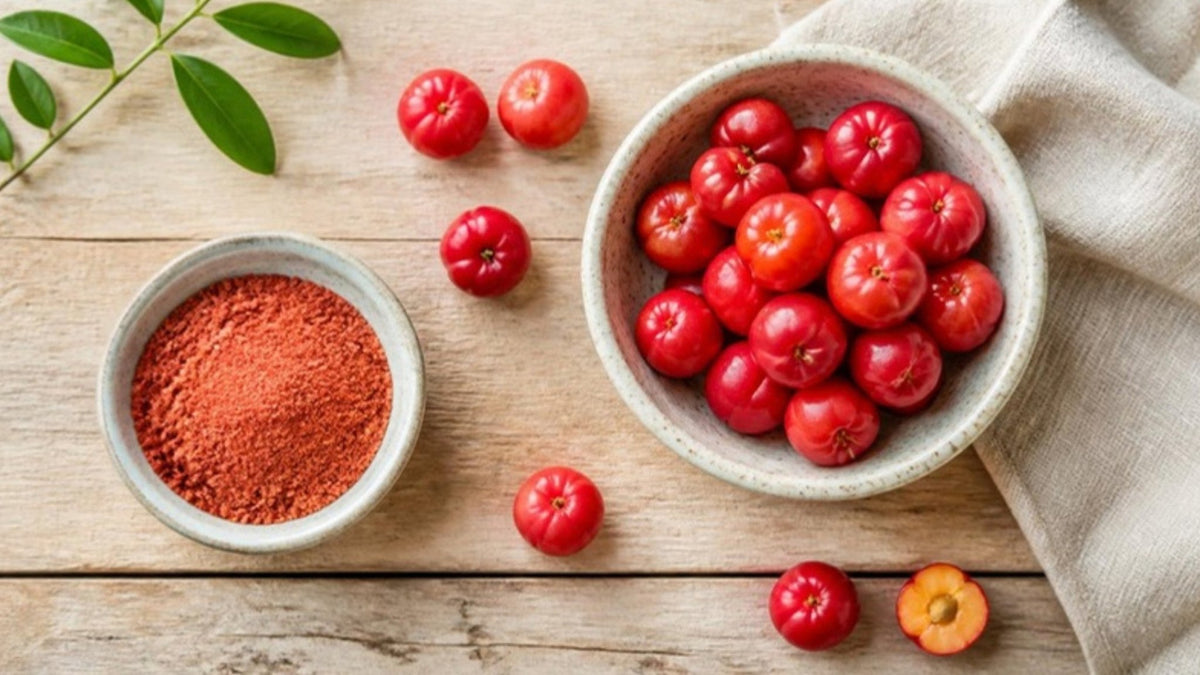
«Ashwagandha» is made up of the Sanskrit words ashva (horse) and gandha (smell) – the fresh root does indeed smell strong and earthy. The botanical species name somnifera means «sleep-inducing»; in English the plant is also called winter cherry, after the small red fruits in their papery husks, reminiscent of physalis.
Root or leaf – that is the difference
Traditionally, the root is used. The leaves contain different and considerably higher proportions of certain withanolides and are not used in the same way in Ayurveda. Because leaf material is cheaper, it still turns up in low-cost extracts. The label should therefore state which part of the plant was processed – in our organic ashwagandha it is the root, ground and from certified organic cultivation.
Powder or extract
For powder, the dried root is simply ground. Extracts are standardised to their withanolide content and are correspondingly more concentrated. Both are legitimate, but the quantities cannot be compared – 300 mg of extract and 300 mg of root powder are two different things.
Related
You will find ashwagandha under Adaptogens, and by topic under Stress & Sleep and Hormonal Balance. What the term adaptogen means and where it comes from is explained in the article Adaptogens: where the term comes from and which plants count.
Note
As a member of the nightshade family, ashwagandha is not suitable if you have an intolerance to nightshades. Use during pregnancy and breastfeeding is not recommended. If you have a thyroid, autoimmune or liver condition, or take medication – especially sedatives, thyroid medication or immune-related drugs – seek medical advice before use. Food supplements are not a substitute for a varied diet; do not exceed the stated daily dose.