
Iodine is a trace element that the body cannot produce itself and needs to make thyroid hormones. It occurs in the soil – but very unevenly. Inland mountain regions are among the most iodine-poor in the world, and Switzerland is a textbook example.
Why Swiss salt is iodised
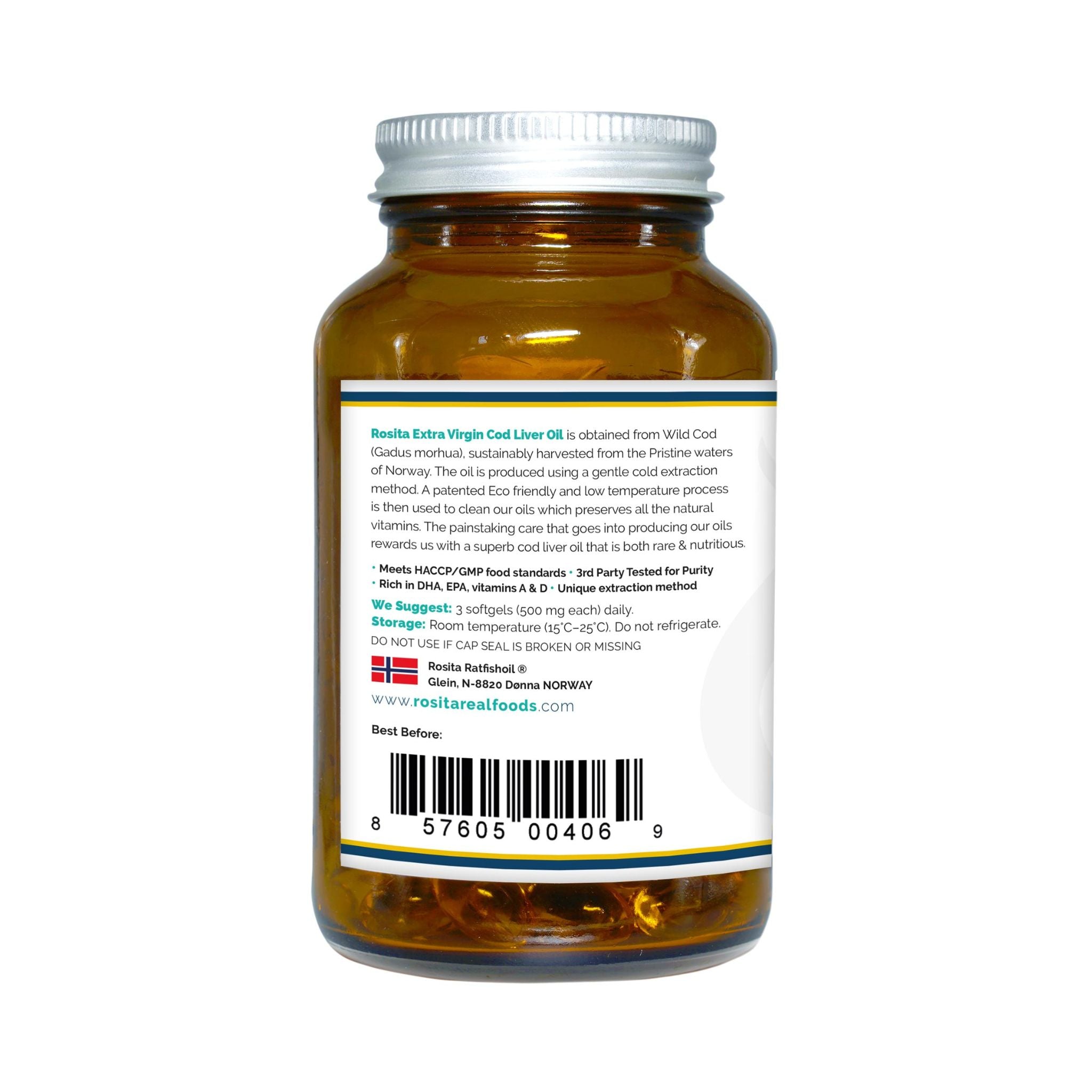
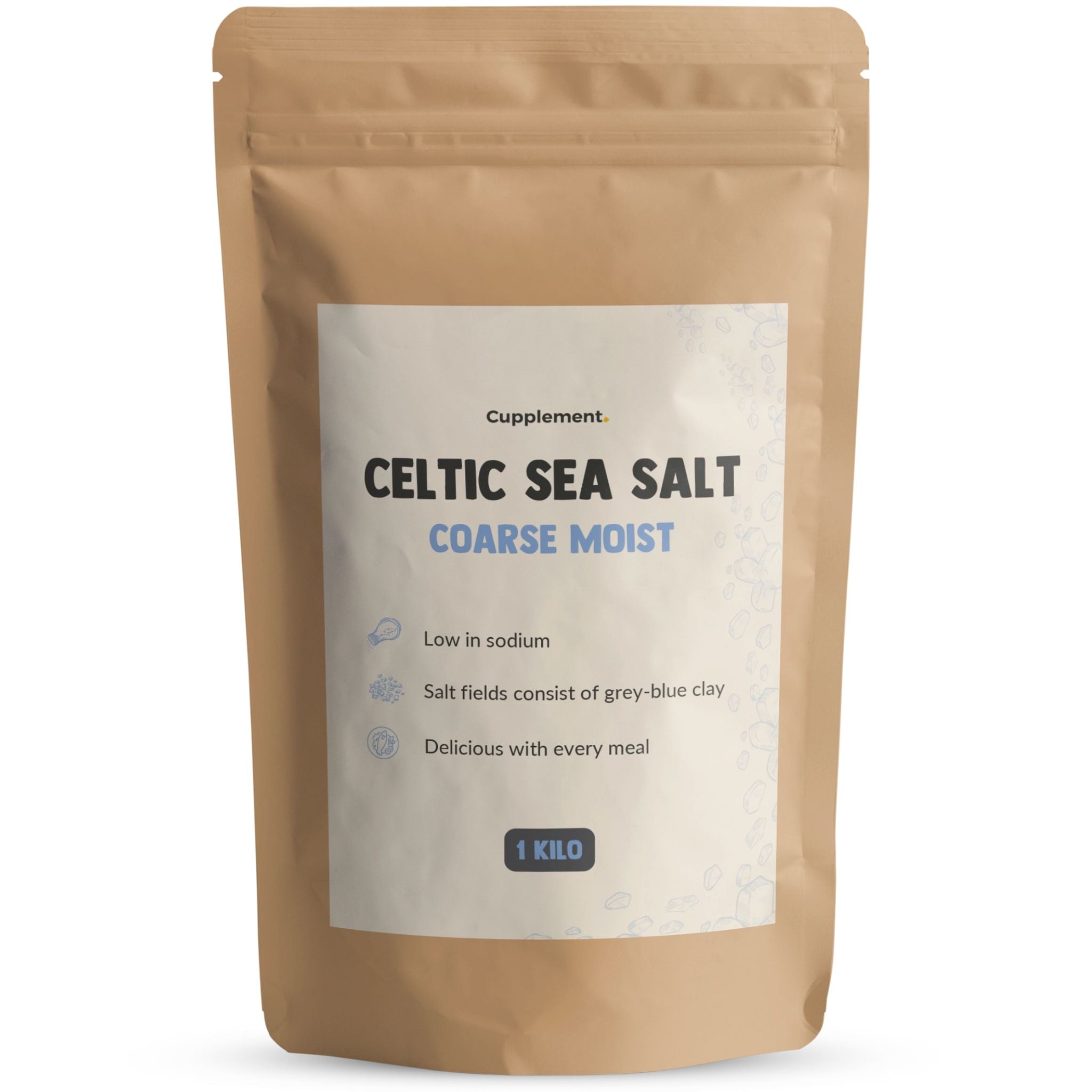
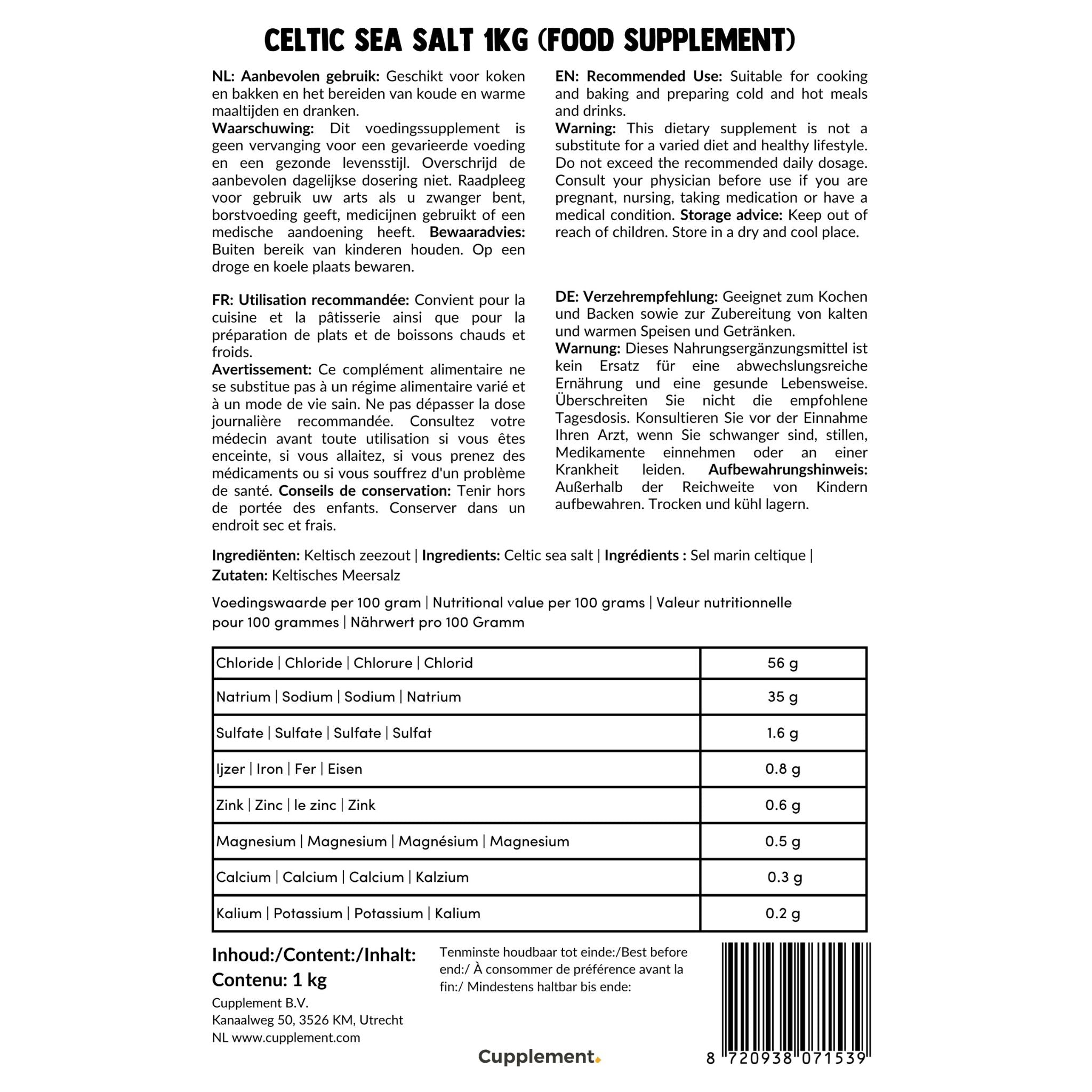
A hundred years ago, goitre was widespread in the Alpine valleys. In 1922, Switzerland became one of the very first countries to introduce iodised table salt – one of the most effective measures in the history of nutrition. If you use unrefined, non-iodised salt today – such as our Celtic Sea Salt or Oryx Desert Salt – you should be aware that you lose a source of iodine that most people here take for granted.
Seaweed: the richest food group in iodine
Seaweeds accumulate iodine from the water, many times over. The content varies by orders of magnitude – not by percentages. Brown seaweeds such as kelp, bladderwrack and kombu are far above red seaweeds such as dulse or Irish moss; on top of that come differences by location, season and processing. A single gram of dried kombu can contain several times an adult’s daily iodine requirement.
What this means
- Stick to the stated daily dose for seaweed products, even if the capsule looks small.
- Do not combine several seaweed supplements at the same time without adding up their iodine content.
- If you have a thyroid condition – underactive or overactive, Hashimoto’s, nodules – or take thyroid medication, have your intake checked by a doctor beforehand.
- Too much iodine is just as much a problem as too little. Here, more is explicitly not better.
Our seaweeds
The Rosita 5-seaweed blend combines five hand-harvested species from the Scottish North Atlantic; Sea Moss is the red seaweed Irish moss. Spirulina and chlorella, on the other hand, are freshwater algae and contain hardly any iodine – a difference that is often overlooked. You will find them all under Seaweed & Algae.
Note
Food supplements are not a substitute for a varied diet. Do not exceed the stated daily dose. If you have a thyroid condition, are pregnant or breastfeeding, or take medication, seek medical advice before use.