
Several labels and origin claims sit side by side on our packaging: EU organic, KRAV, MSC, wild harvesting. They sound similar but mean very different things. This article explains what each one checks – and what it does not.
EU organic
The EU organic regulation is a set of rules for production, not for the finished product. It prohibits synthetic pesticides and mineral fertilisers, genetic engineering and the use of sewage sludge, sharply restricts additives and requires crop rotation instead of permanent monoculture. Inspection is annual, by accredited bodies; their code number appears on the label and can be checked. Switzerland runs its own regime under its organic ordinance, recognised as equivalent; the Bud label of Bio Suisse goes further still in several respects.
KRAV
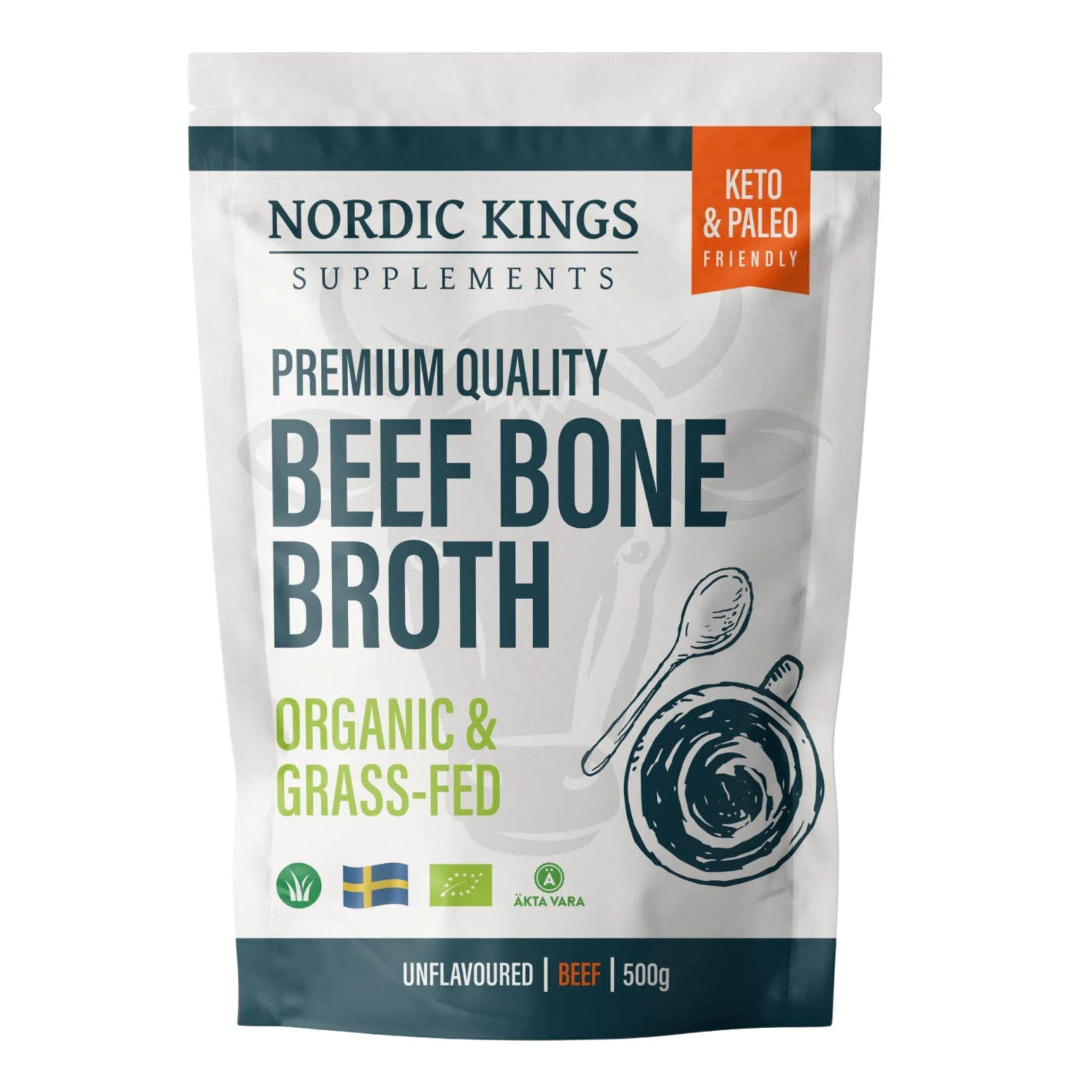
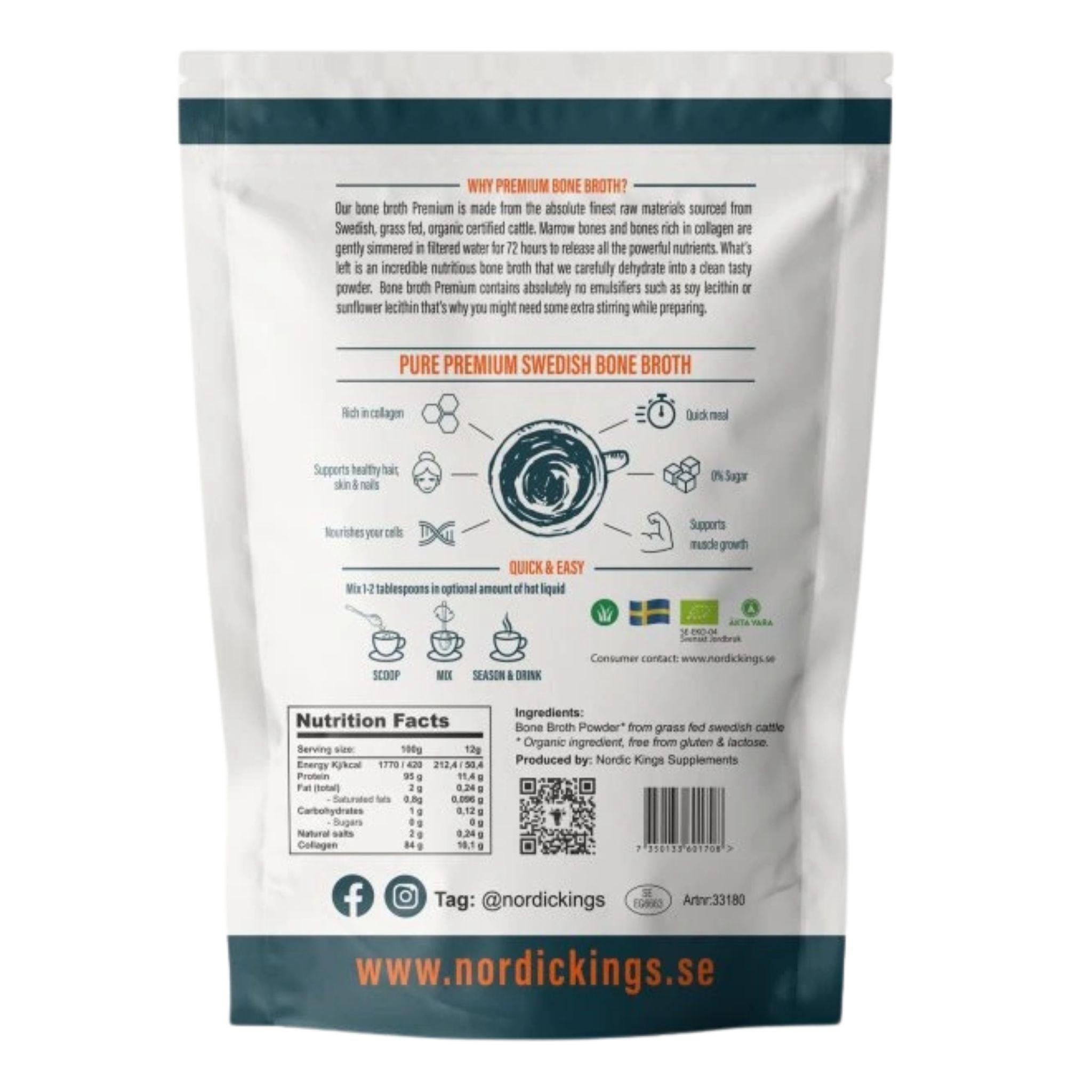
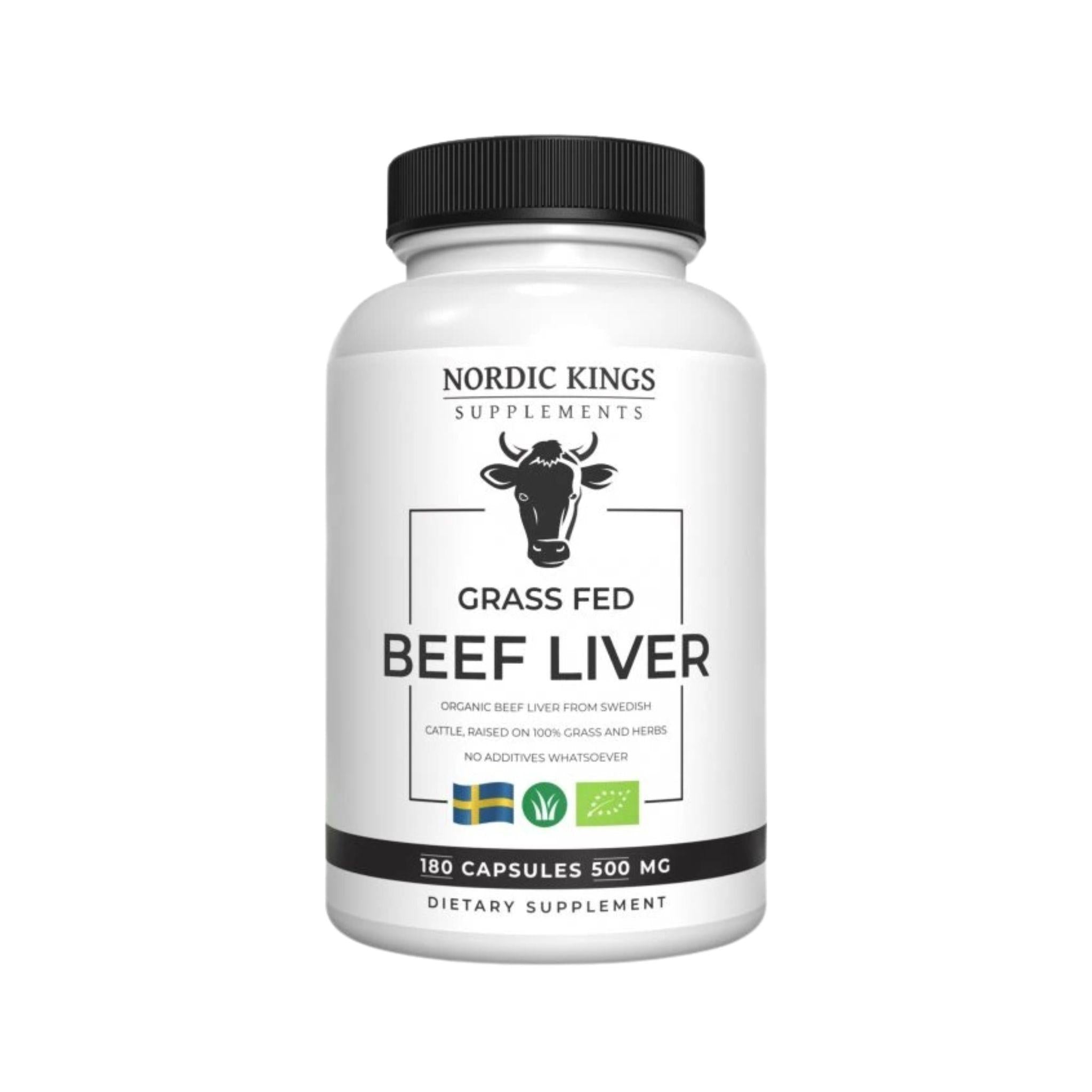
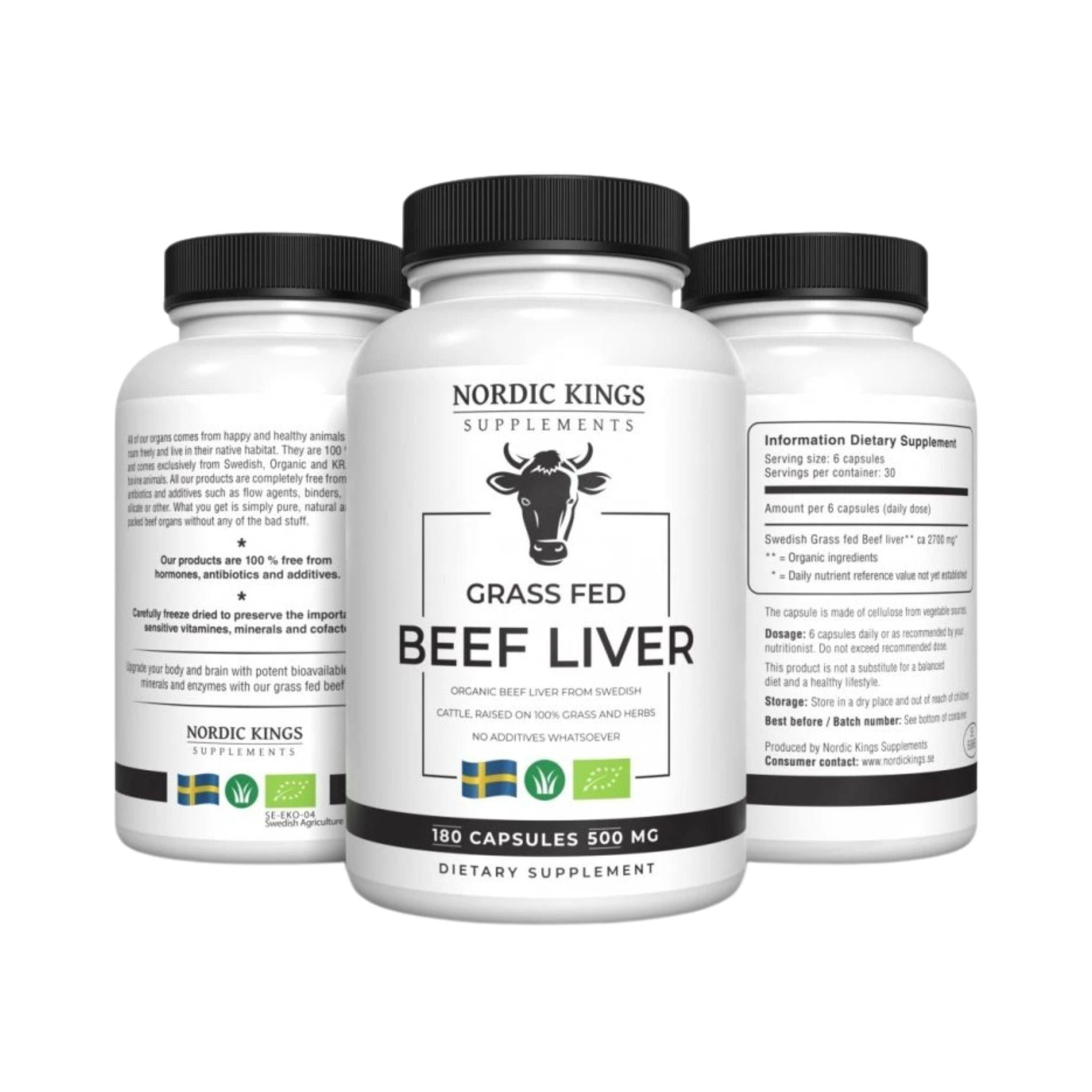
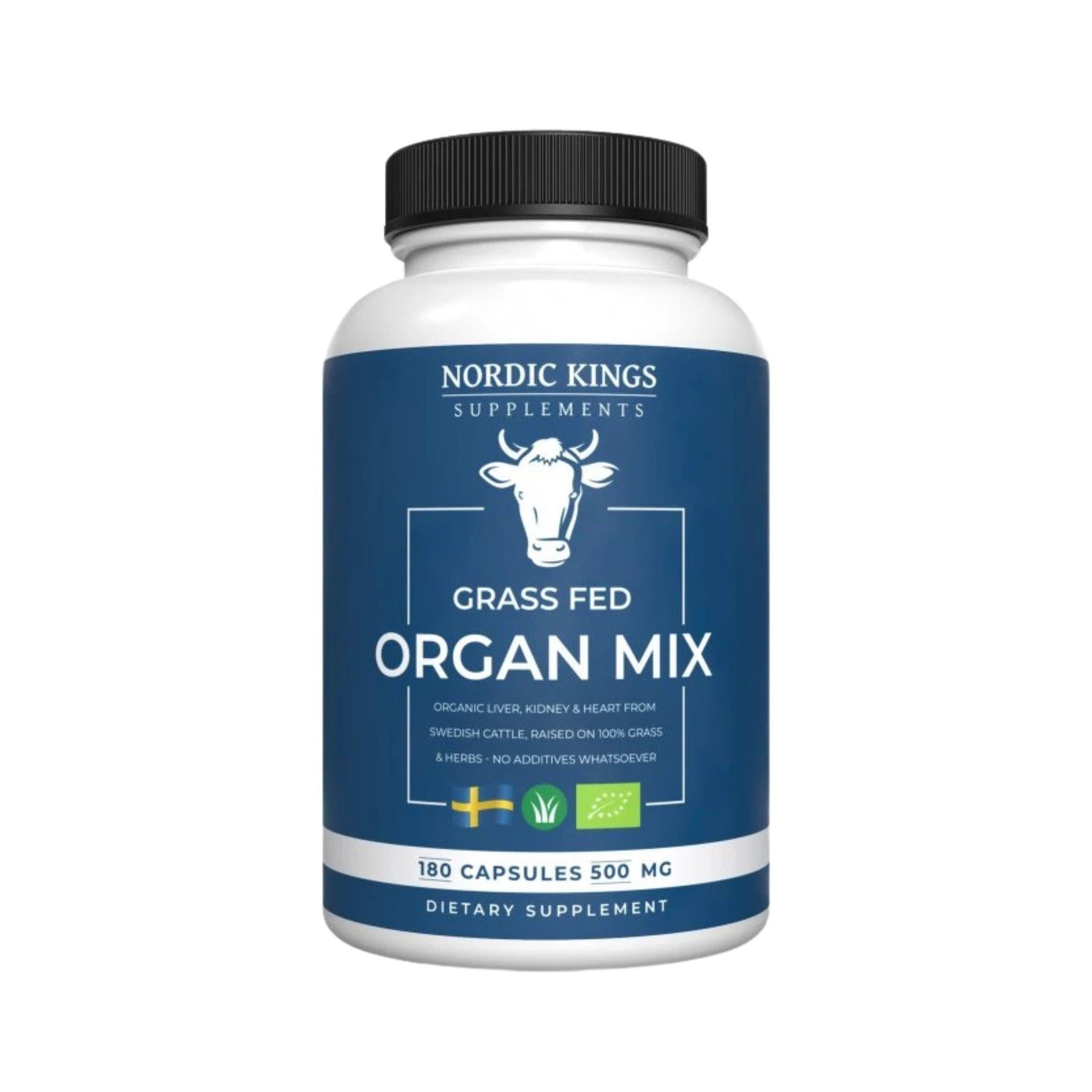
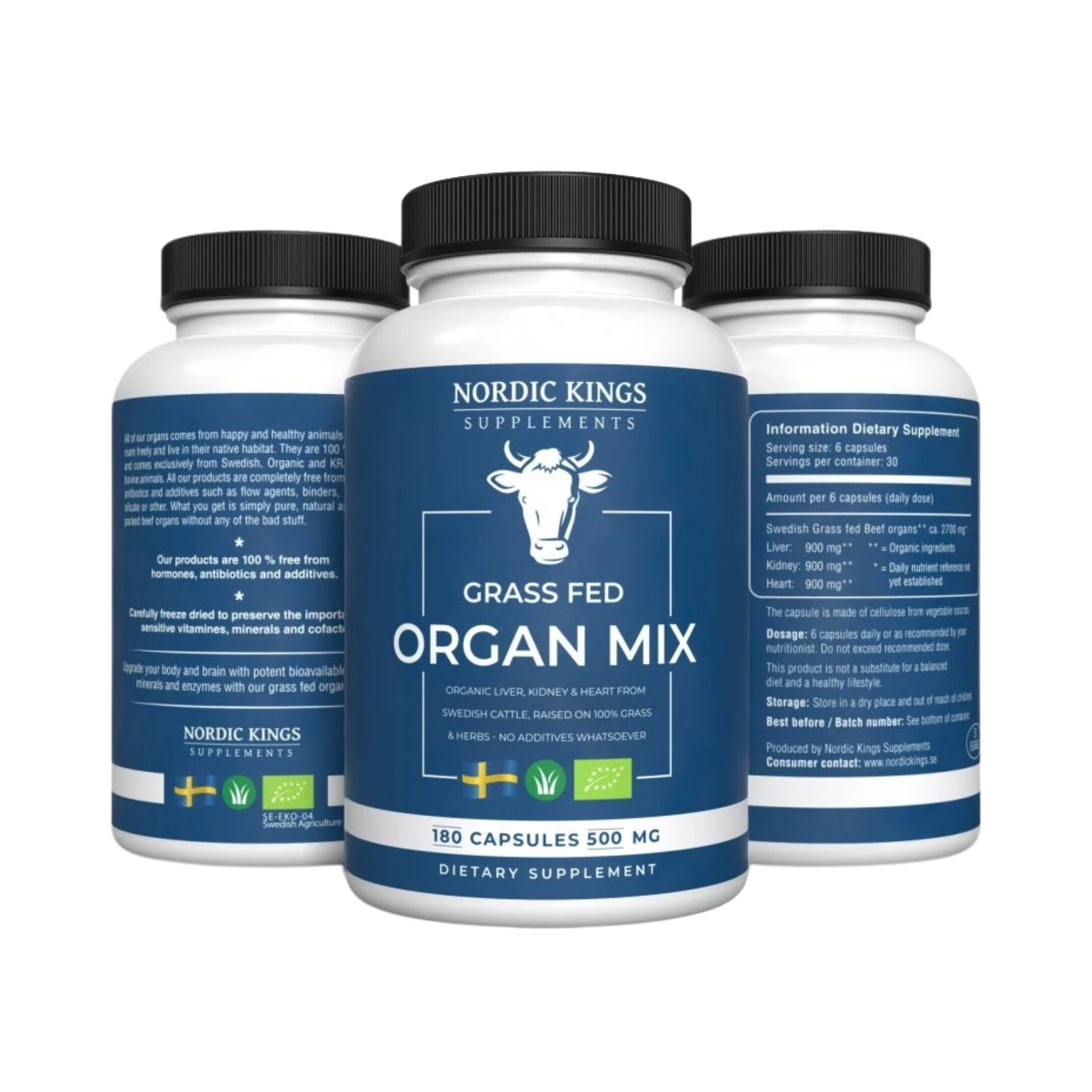
KRAV is the Swedish organic label and sets stricter requirements than EU organic in several areas – among them grazing, animal transport and climate criteria. Our organs from Nordic Kings carry it: the organic beef liver, the organic organ mix, the bone broth collagen powder and the bone marrow.
MSC
The Marine Stewardship Council certifies fisheries, not organic farming – what is assessed is the state of the stock, the impact on the ecosystem and traceability from catch to finished product. In our range the omega-3 fish oil and the fish collagen powder carry the label.
Wild harvesting
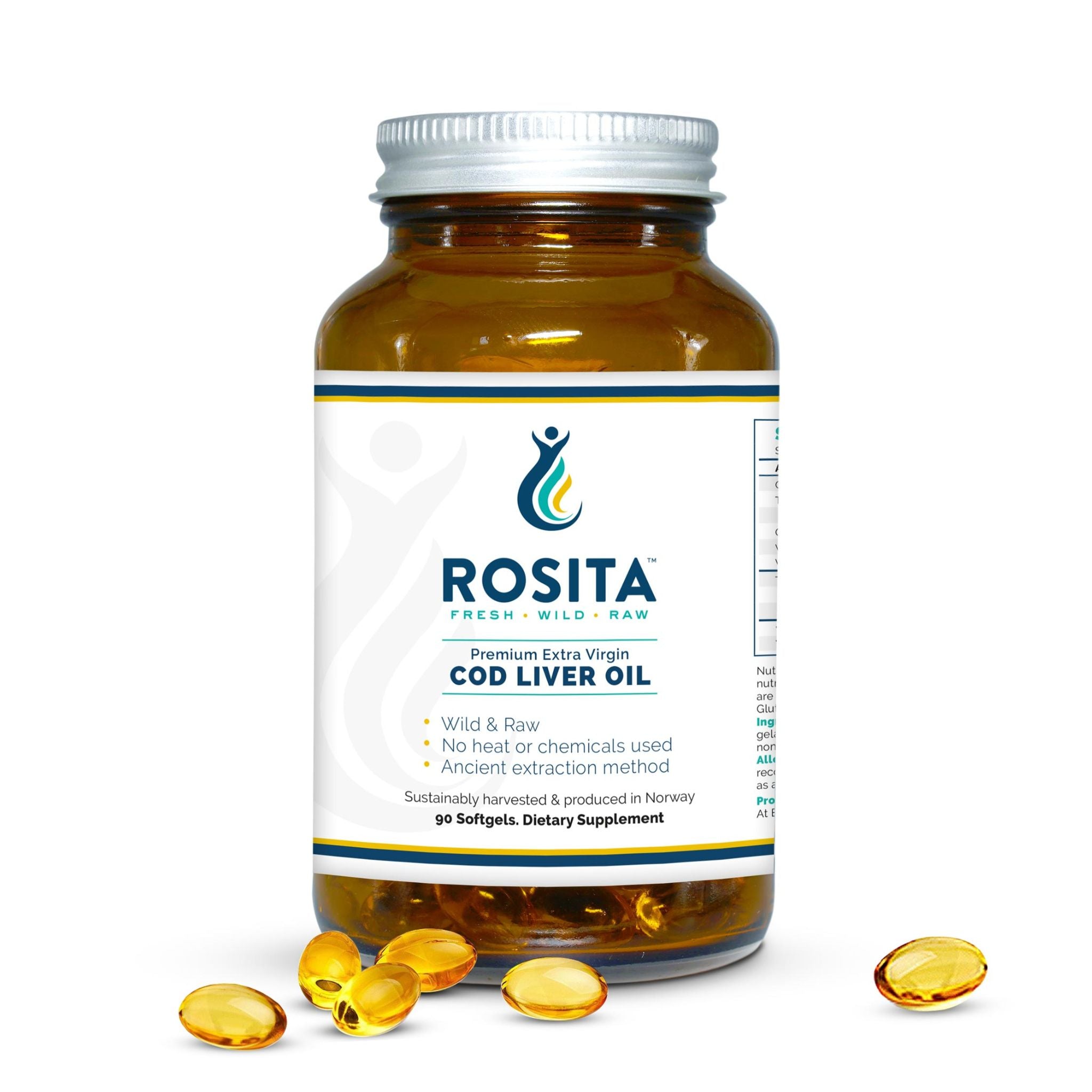
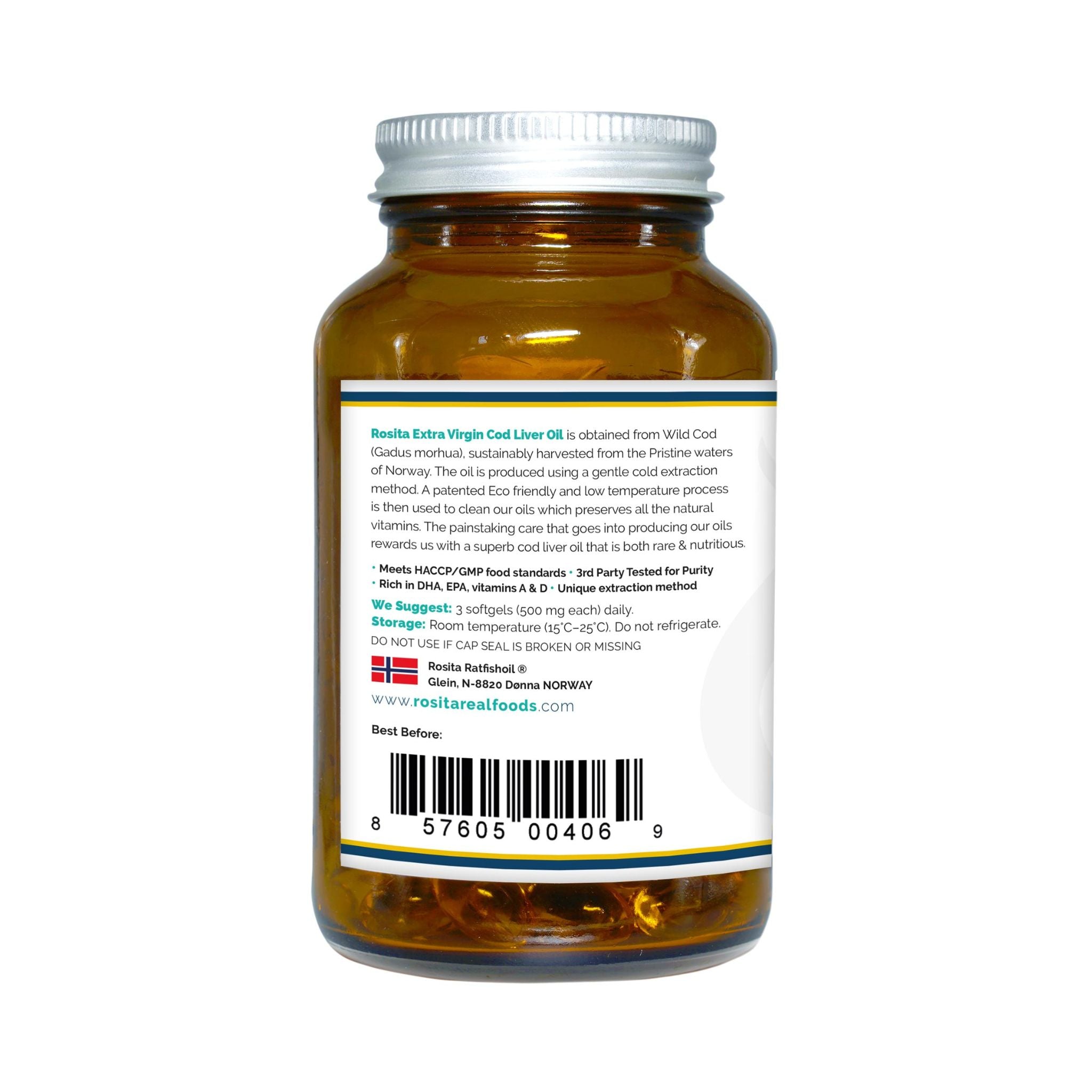
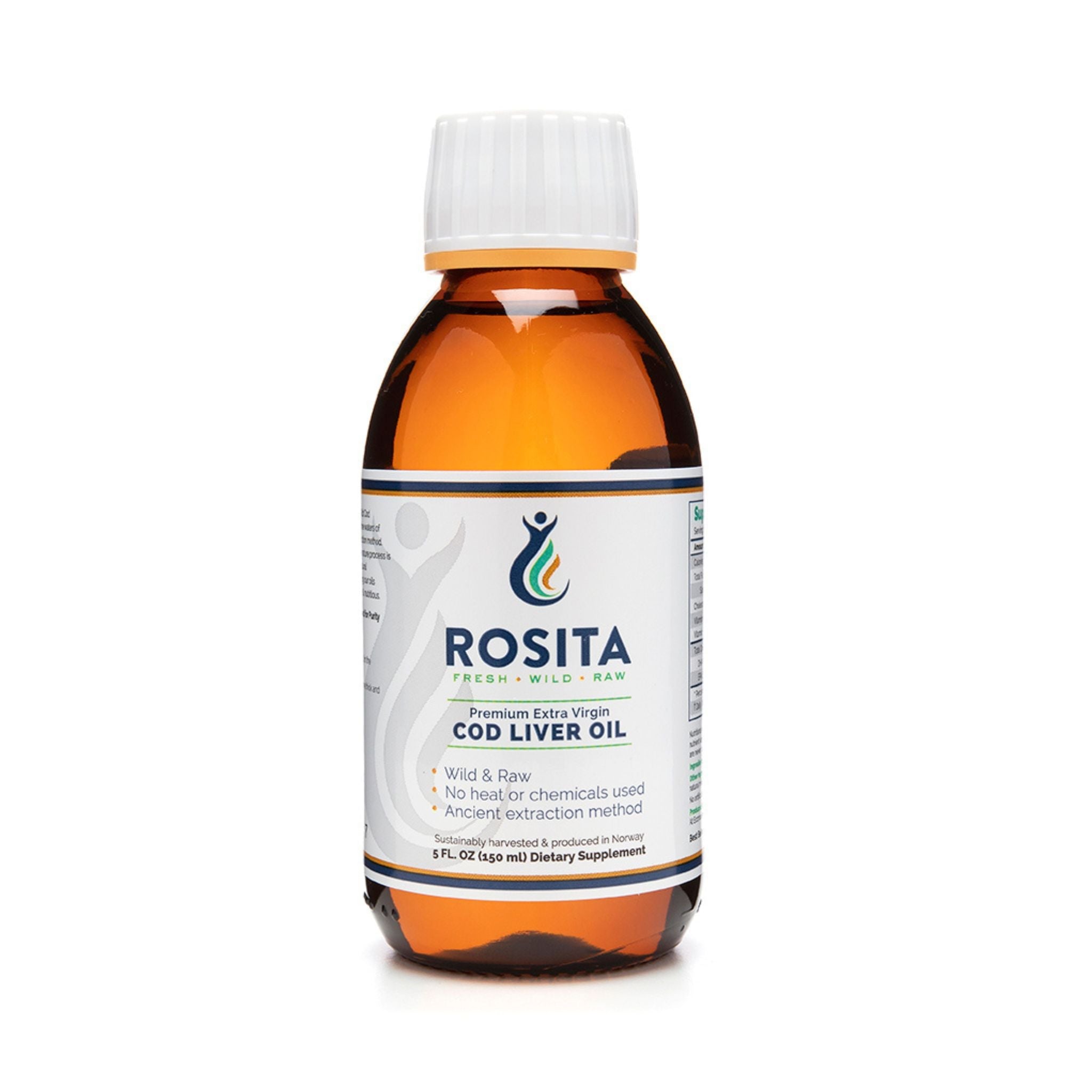
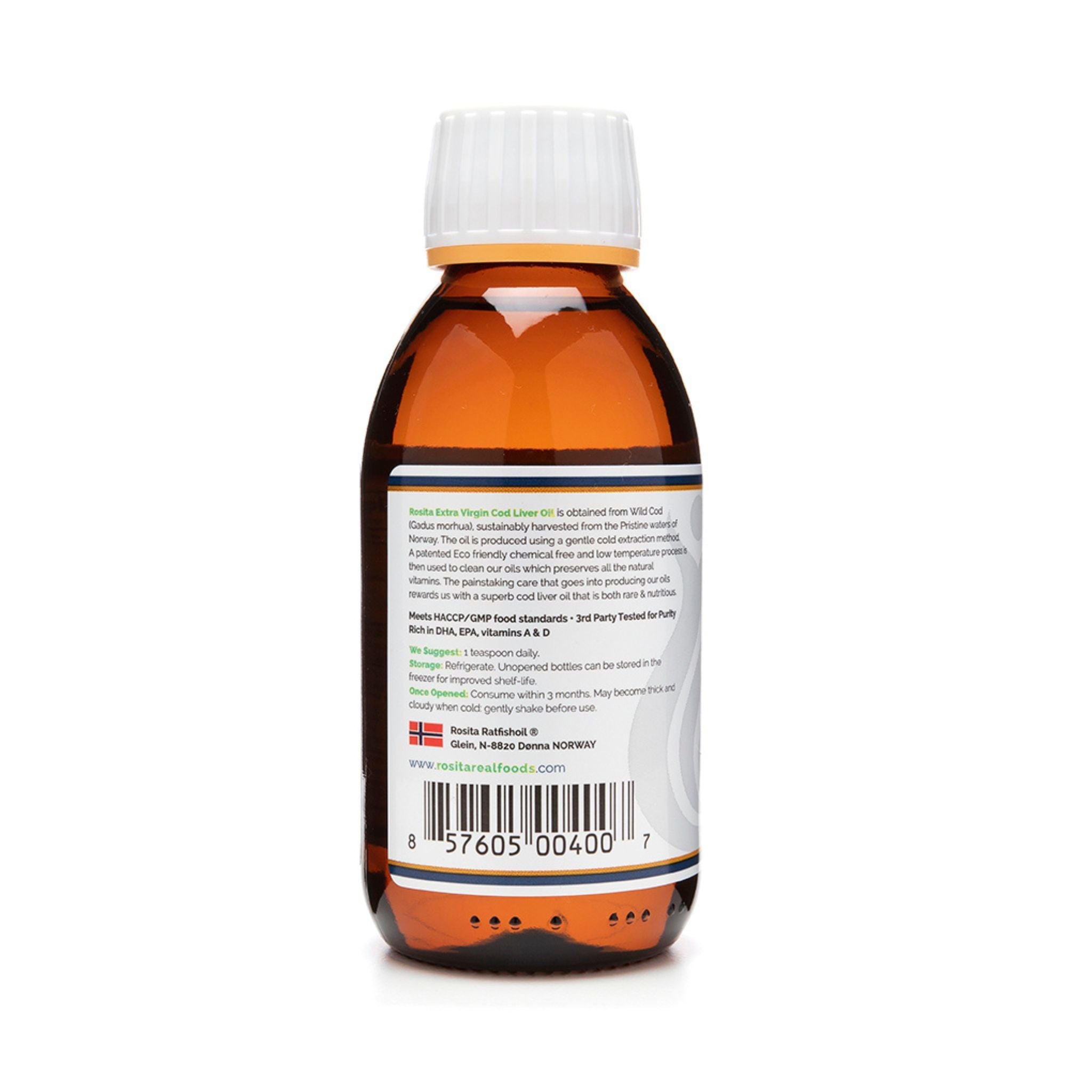
Wild harvesting simply means: not cultivated, but gathered from a natural population. It can be certified organic where the collection area meets the requirements and a management plan exists. The advantage is obvious – no cultivation, no fertiliser, no monoculture. So is the challenge: a population can be overharvested. In Rosita EVCLO cod liver oil the cod is wild-caught; the North Atlantic seaweed is cut by hand, taking only part of each plant so that it can grow back.
What a label does not do
A label says something about the path a food has taken, not about its nutrient content. Whether organic produce is consistently more nutrient-rich than conventional is scientifically contested – meta-analyses reach different conclusions depending on which studies and which nutrients they take in. What is well established is that organic produce carries markedly lower pesticide residues on average. That is a different argument from «healthier», and we think it is the more honest one.
Why this matters to us
With organs and cod liver oil, origin counts for far more than with other foods: the liver is the animal's metabolic organ, and fish oil concentrates whatever was in the fish. That is why every one of our products states which producer and which country it comes from. All certified organic items are listed together under Certified Organic.