
An eating regime circulates under the name «Jesus diet» or «Essene diet», invoking the Essenes – a Jewish community that lived in the region of present-day Israel during the Second Temple period. Since a great deal is asserted in this area and little is evidenced, it is worth keeping two levels apart: what is historically documented, and what is later interpretation.
Who the Essenes were
The Essenes are known from ancient authors: Flavius Josephus, Philo of Alexandria and Pliny the Elder describe an ascetic community with shared property, pronounced purity rules and communal meals. The Dead Sea Scrolls, discovered in 1947, are linked by many scholars to this group, though the attribution is still debated. What the scrolls contain are community rules, biblical texts and liturgical writings – no recipe collection and no dietary programme.
Where the modern «Jesus diet» comes from
The specific diet circulating under that name goes back essentially to Edmond Bordeaux Székely. From 1937 he published «The Essene Gospel of Peace», stating that he had translated it from a Vatican manuscript. That source was never produced, and textual scholarship today largely regards the work as Székely's own creation. This does not make his recommendations worthless – but they are a twentieth-century position, not an ancient tradition. Anyone invoking them should know that.
What the sources actually suggest
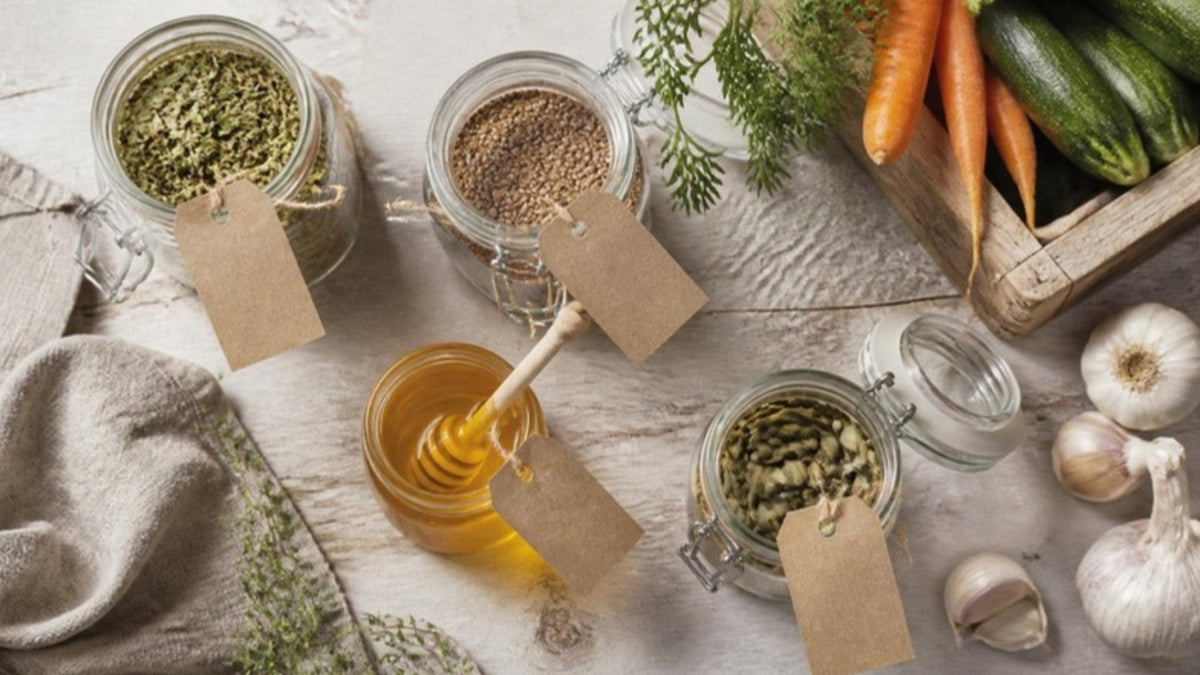
From the ancient descriptions and the archaeological finds at Qumran an approximate picture can be drawn. What was eaten was what the region provided: grain, above all barley and wheat, together with pulses, dates, figs, grapes, olives and olive oil. Meat played a subordinate role – not on principle, but because it was expensive; animal bone finds at Qumran show that it did occur. Central to it all were the communal meal as an ordered occasion, ritual purity and regular periods of fasting.
What still holds today
Three principles have come through two thousand years well, quite apart from how you judge the state of the sources:
- Barely processed. What went on the table was one step from the field, not ten.
- Fermentation. Sourdough, pickled vegetables, dairy – preservation without technology, with a side effect on digestibility.
- Structure in time. Set meals, set fasts. That gaps between meals make a difference is being discussed anew today under the heading of intermittent fasting.
How this relates to our range
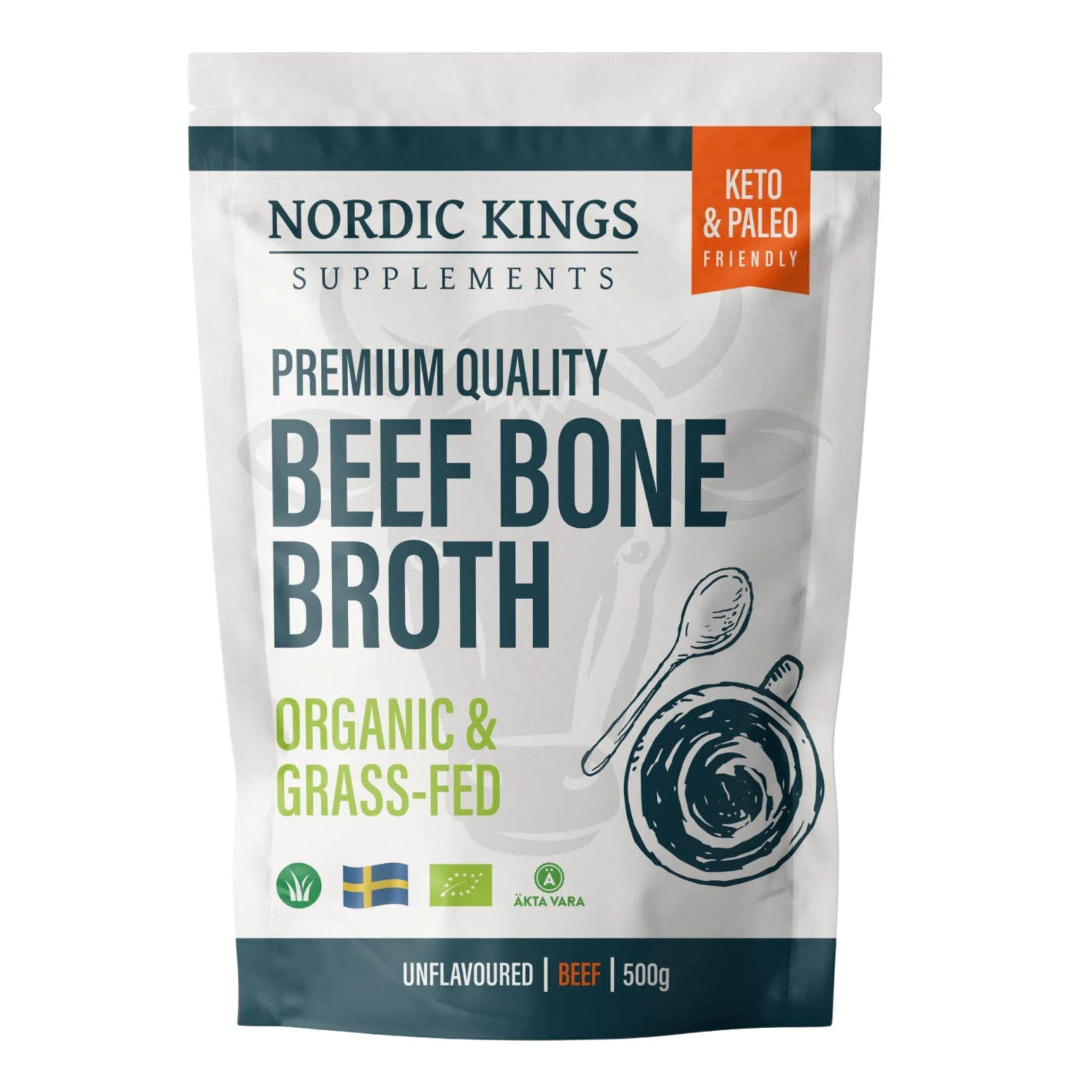
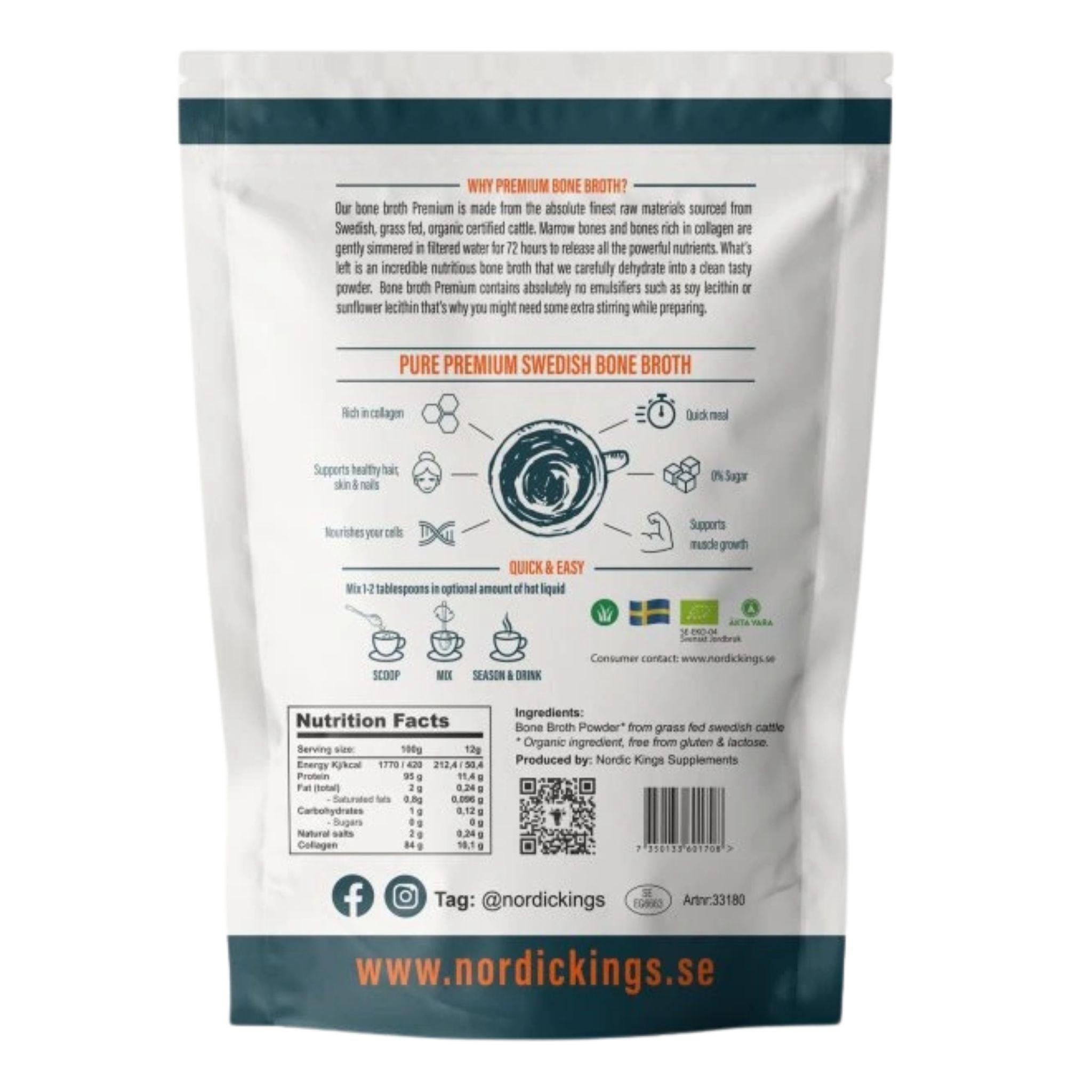
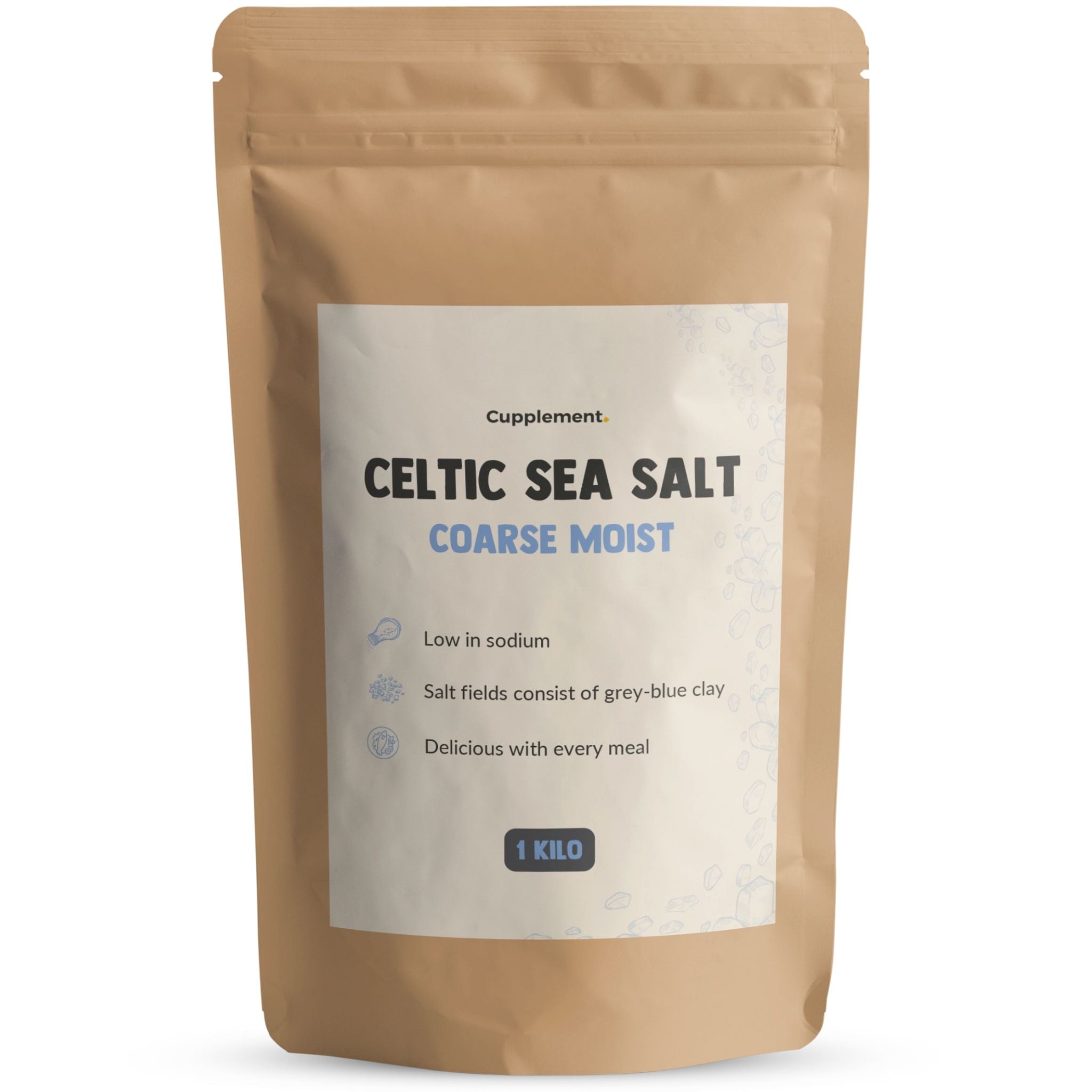
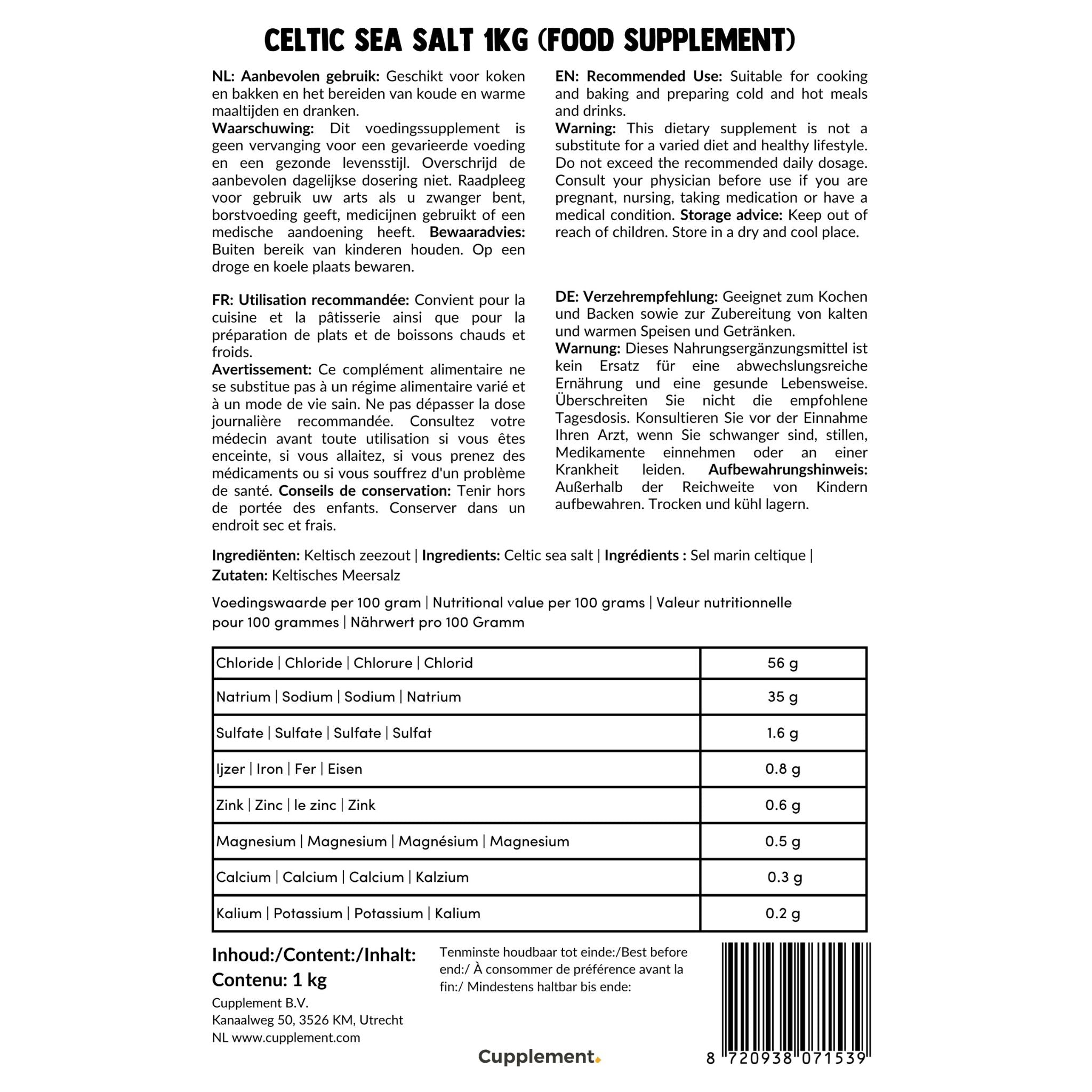
Honestly: the Essene diet was largely plant-based and grain-based – it does not match what we carry. What does overlap is the attitude behind it: unprocessed foods, traceable origin, nothing added without reason. It is in that sense that we put together the God's Food category. The Celtic Sea Salt from Brittany is still harvested by hand and sold unrefined – closer to ancient salt-making than anything on a supermarket shelf. All unprocessed foods are listed under Food.
Note
This article places an eating regime in historical context and is not nutritional advice. If you are considering a diet involving longer fasting periods, it makes sense to discuss it with a doctor beforehand – particularly with pre-existing conditions, in pregnancy and during growth.