
Blog
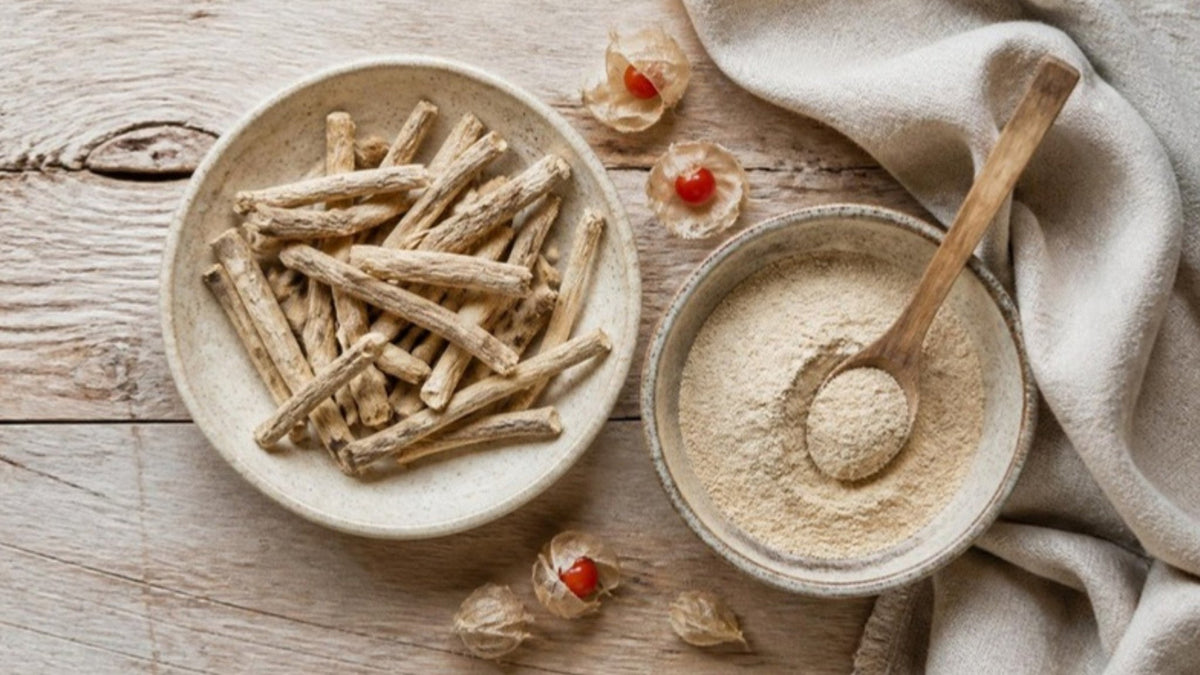
Ashwagandha: winter cherry, root and leaf
Ashwagandha is the best-known adaptogen – and the one where a close look at the label pays off most. Why root rather than leaf matters and where the name «smell of the horse» comes from.

Fenugreek: the seed that smells of maple syrup
Fenugreek is in every curry powder, and in larger amounts it smells of maple syrup – not as a metaphor, but because of the very same aroma compound. Origin, uses and what you notice when you take it.
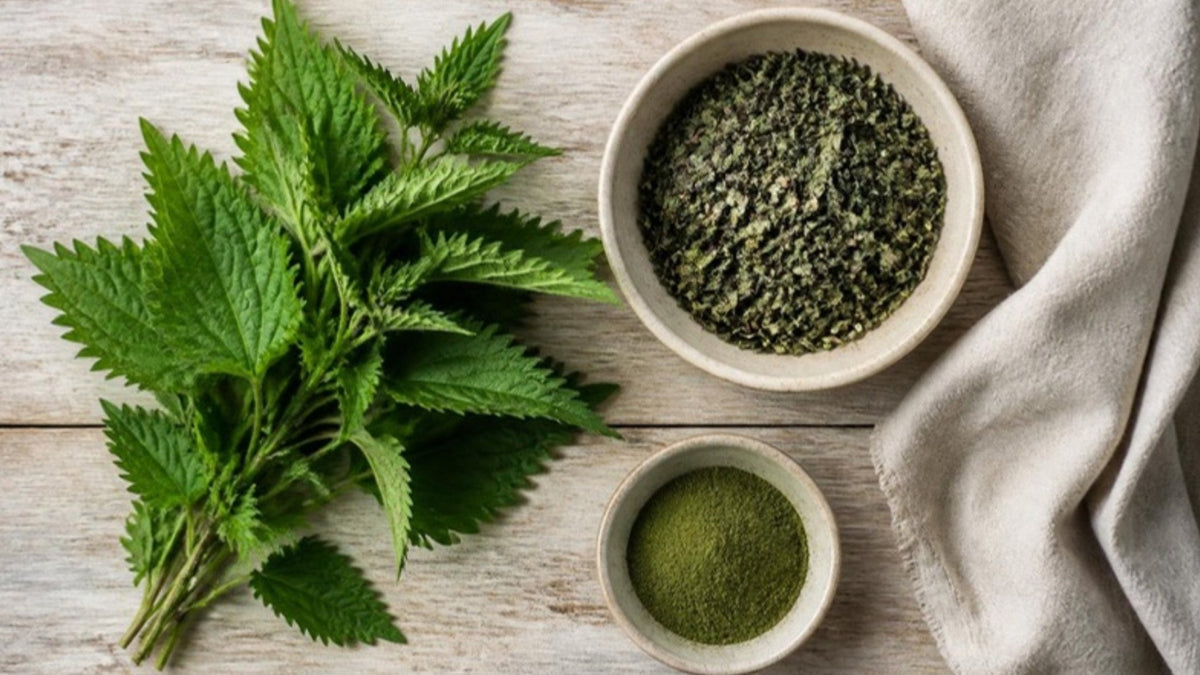
Stinging nettle: the weed that isn’t one
Stinging nettle gets pulled out wherever it grows – yet it is one of the most thoroughly studied wild plants in Europe. How the stinging hair works, why it is an indicator plant for good soil and w...
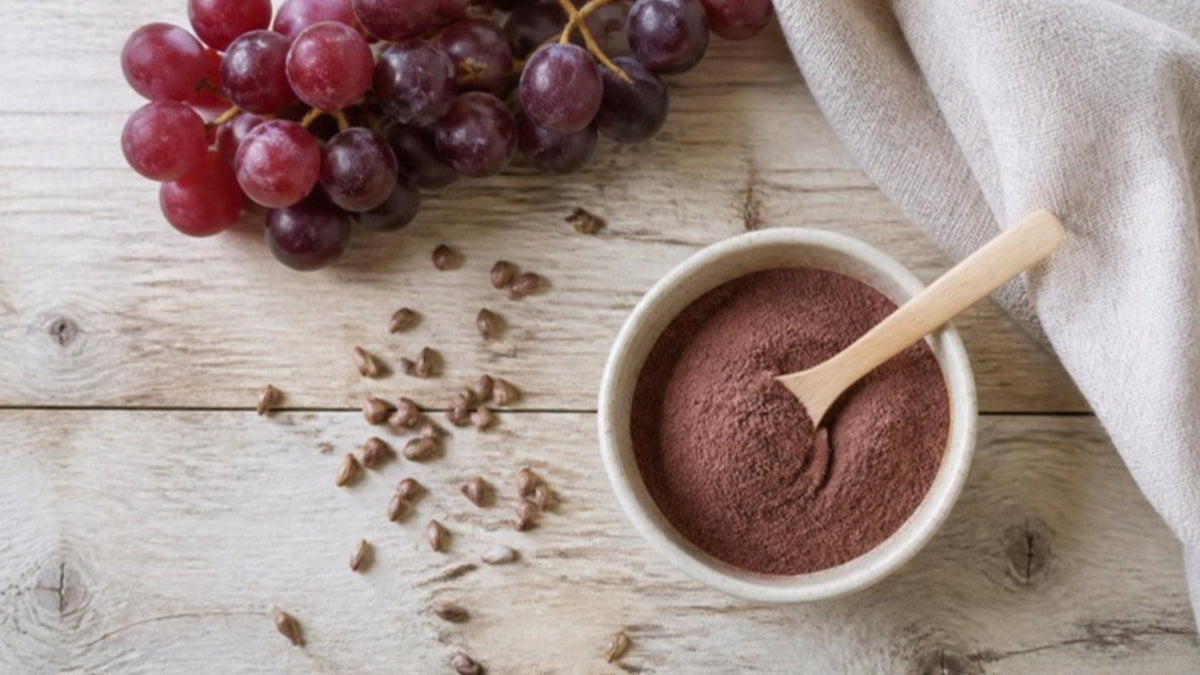
OPC from grape seeds: what the abbreviation stands for
OPC stands for oligomeric proanthocyanidins – tannins from the grape seed that give wine its astringency. Where they come from, why they are combined with vitamin C and what a by-product of the gra...
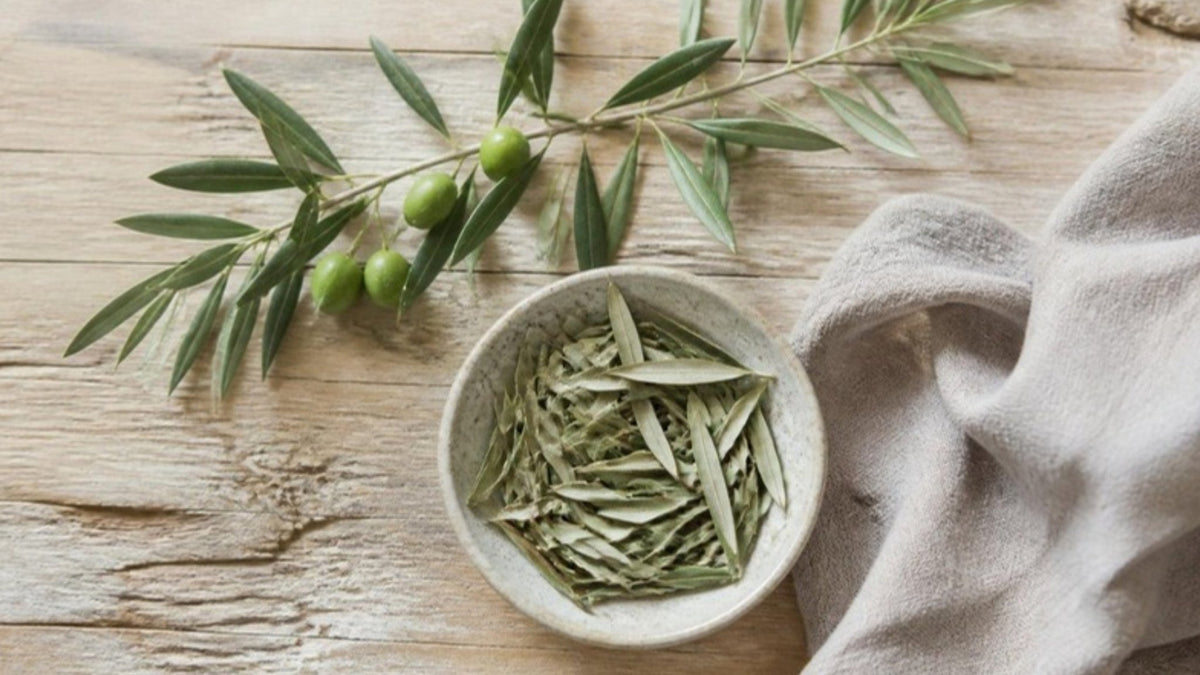
Olive leaf: the overlooked part of the olive tree
Everyone knows the olive's fruit and its oil. The leaf contains oleuropein – the same bitter compound that makes fresh olives inedible and that has been used around the Mediterranean since antiquity.
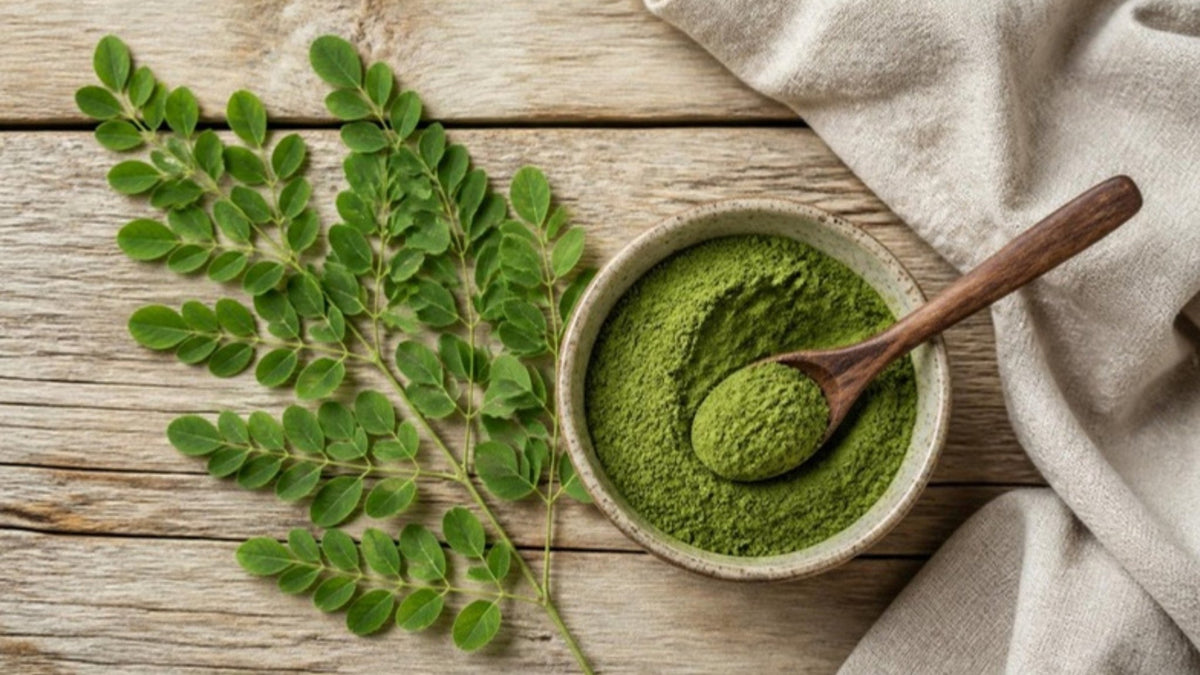
Moringa: the horseradish tree
Moringa oleifera grows fast, tolerates drought and is used whole in India and East Africa – leaves, pods, seeds. Where the name horseradish tree comes from and what defines the leaf powder.
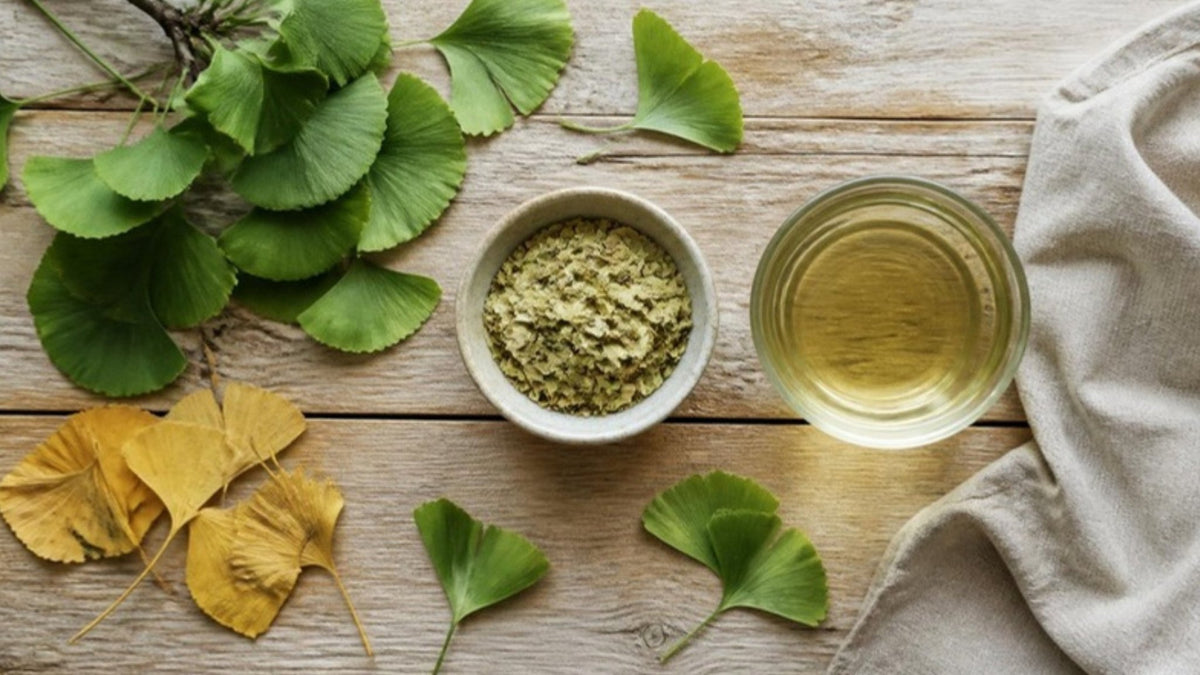
Ginkgo biloba: the living fossil tree
The ginkgo is the last surviving species of a plant group that has been around for 200 million years. What the leaf contains, why extracts are standardised and what you must observe if you take ant...
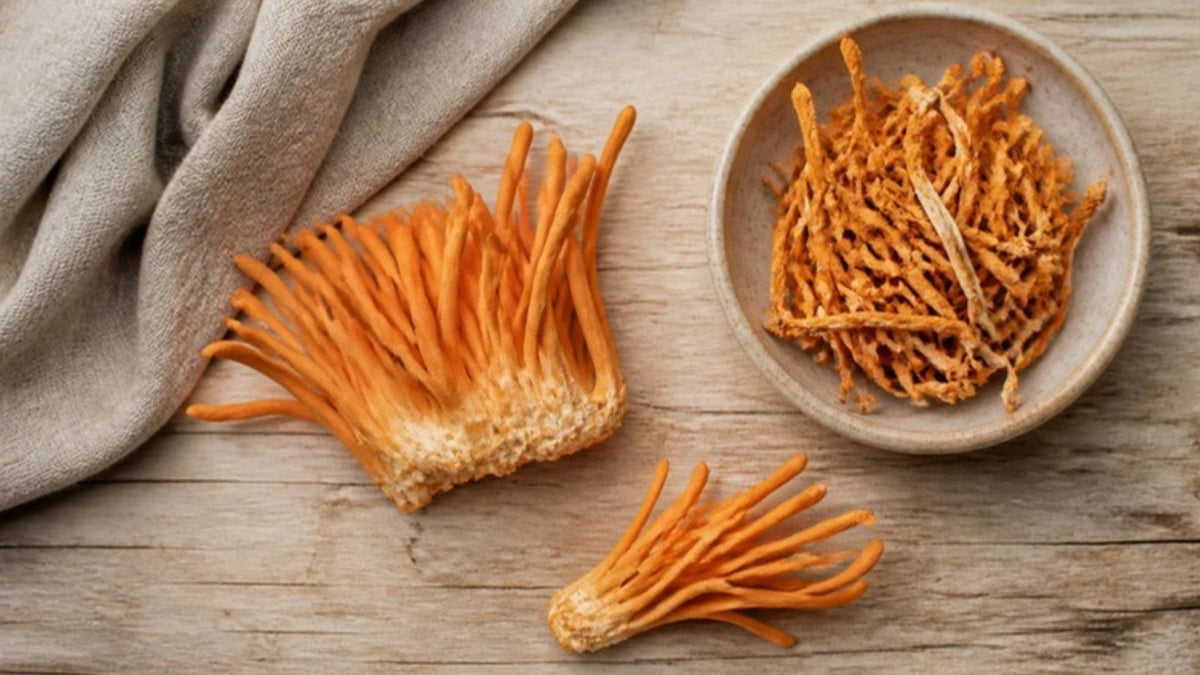
Cordyceps: from caterpillar fungus to fermentation
Wild cordyceps from Tibet is among the most expensive natural products in the world. Why almost everything sold today is a different species – and why that is not a drawback.
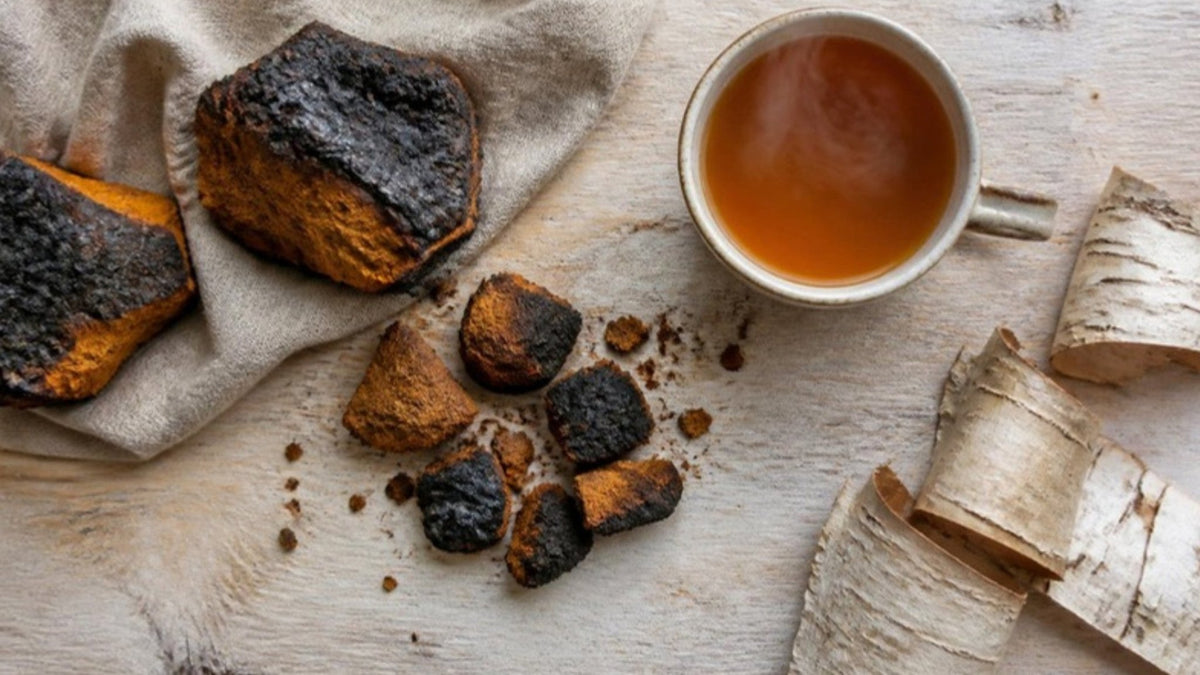
Chaga: the birch fungus from the north
Chaga is not a mushroom in the usual sense but a knobbly growth on living birches. Where it comes from, why wild harvesting puts it under pressure, and the difference between powder and extract.