
Blog
Adaptogene
Adaptogens: where the term comes from and which plants count
«Adaptogen» is not a protected term; it comes from Soviet plant research of the 1940s. Which plants and mushrooms are traditionally counted among them – ashwagandha, rhodiola, reishi, cordyceps – a...

Seed oils: what the debate is actually about
Sunflower, corn and safflower oil have been under fire for some years. What can be said soberly: they contribute substantially to omega-6 intake and are poorly suited to high heat. This article sor...
Kraussterntang
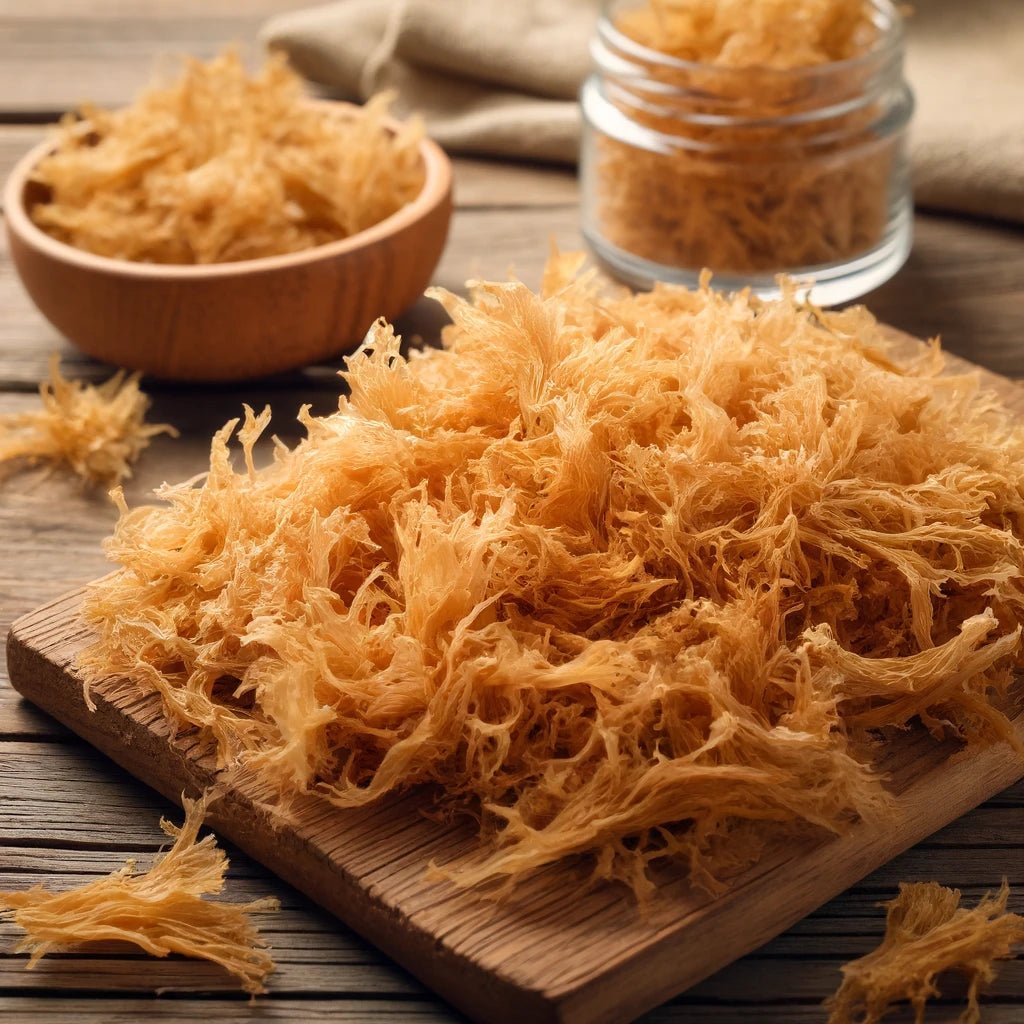
Sea moss: what Irish moss is and what to know about iodine
Sea moss is a red alga from the North Atlantic. What it is botanically, where the name Irish moss comes from, and why iodine content is the point at which seaweed products need a closer look.
Shilajit
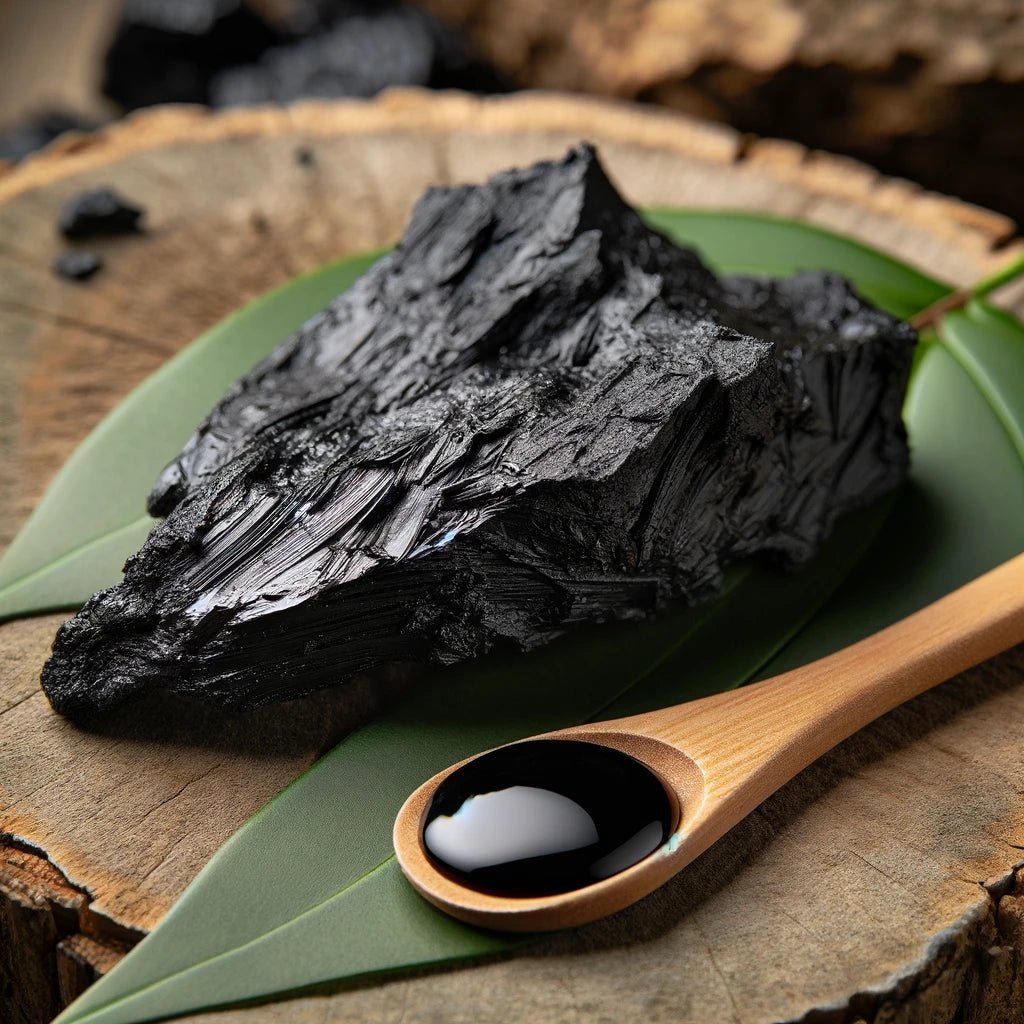
Shilajit: origin, fulvic acid and what the label should say
Shilajit is a resinous mass that seeps from rock crevices in high mountains. Because the market is opaque and the raw material comes out of rock, this is about what you can actually check: origin, ...

Bio Lebensmittel
Organic, KRAV, MSC and wild harvesting: what the labels mean
Four different origin claims appear on our labels. What EU organic, the Swedish KRAV label, MSC and wild harvesting actually guarantee – and what they expressly do not.

Jesusdiät
The Essene diet: what lies behind the «Jesus diet»
The Essenes were a real Jewish community by the Dead Sea. What the sources actually tell us about their diet, where the modern «Jesus diet» comes from, and which of its principles still hold.
Kurkuma
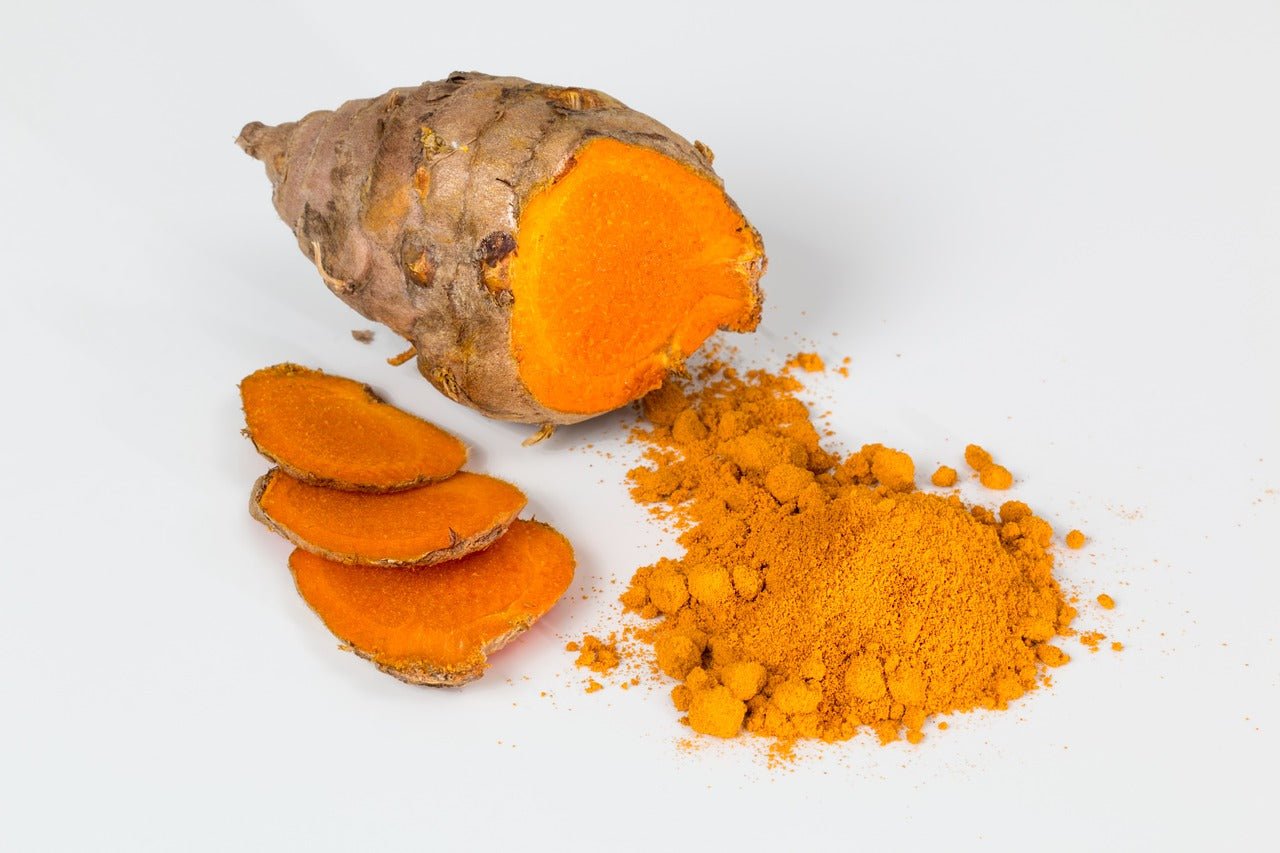
Turmeric: curcumin, black pepper and the question of absorption
Why the body absorbs curcumin poorly, what black pepper changes about it, and how the spice, a powdered capsule and a standardised extract differ from one another.
Vitalpilze
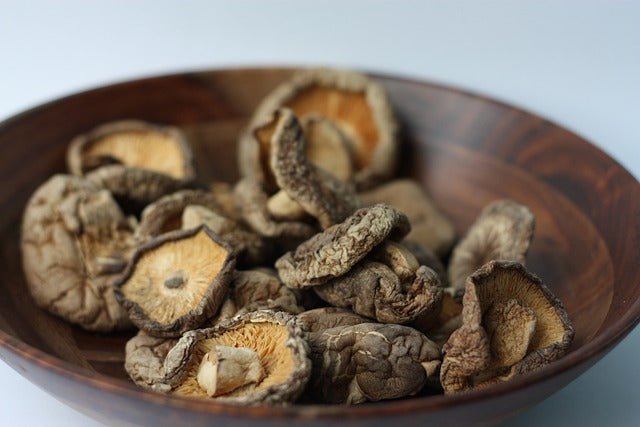
Functional mushrooms: the five classics and what to look for
Reishi, chaga, lion's mane, cordyceps and shiitake at a glance – and the two questions that actually matter when buying: fruiting body or mycelium, powder or extract.