
Chemically, salt is almost always the same thing: mostly sodium chloride. What distinguishes the varieties is their origin, how they are obtained and what is still in them after processing – or has been added. Ultimately, every salt comes from the sea; it is just a question of how long ago.
Sea salt: from today’s sea
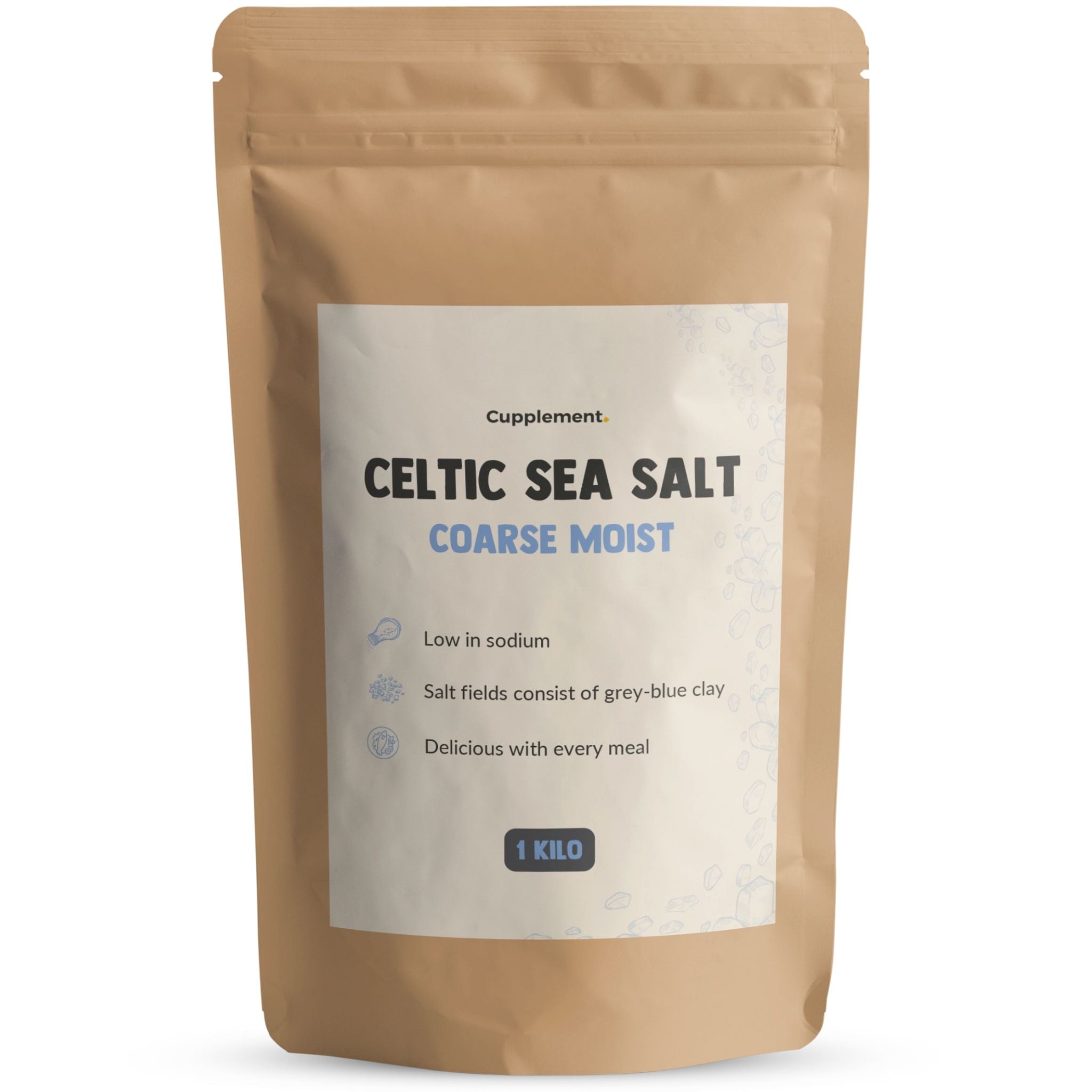
Sea salt forms when seawater evaporates in shallow pans through sun and wind. In traditional salt marshes, for example on the coast of Brittany, the crystallised salt is harvested by hand. Grey sea salt – sel gris in French – crystallises on the bottom of the pan; its colour comes from the clay it touches there. It stays slightly moist because it is not dried after harvesting. The finer fleur de sel, by contrast, forms as a thin layer on the surface of the water and is skimmed off.
Rock salt: from prehistoric seas
Rock salt is the salt of earlier seas that evaporated millions of years ago. Their salt layers were covered by rock and today lie in places hundreds of metres deep. It is obtained in two ways: mined as solid rock, or by channelling water into the deposit and pumping the resulting brine to the surface. Swiss table salt is produced the second way – the brine is evaporated in salt works. So-called Himalayan salt is also rock salt; most of it comes from the Salt Range in Pakistan, a fair distance from the Himalayas.
Desert salt: brine from below, sun from above
Desert salt combines both principles. Our Oryx Desert Salt comes from an underground brine spring in the Kalahari in southern Africa. The brine flows through ancient rock layers and then crystallises under the desert sun – without evaporation by heat and without refining. The dry climate makes this possible: where hardly any rain falls, water evaporates quickly.
Refined or unrefined
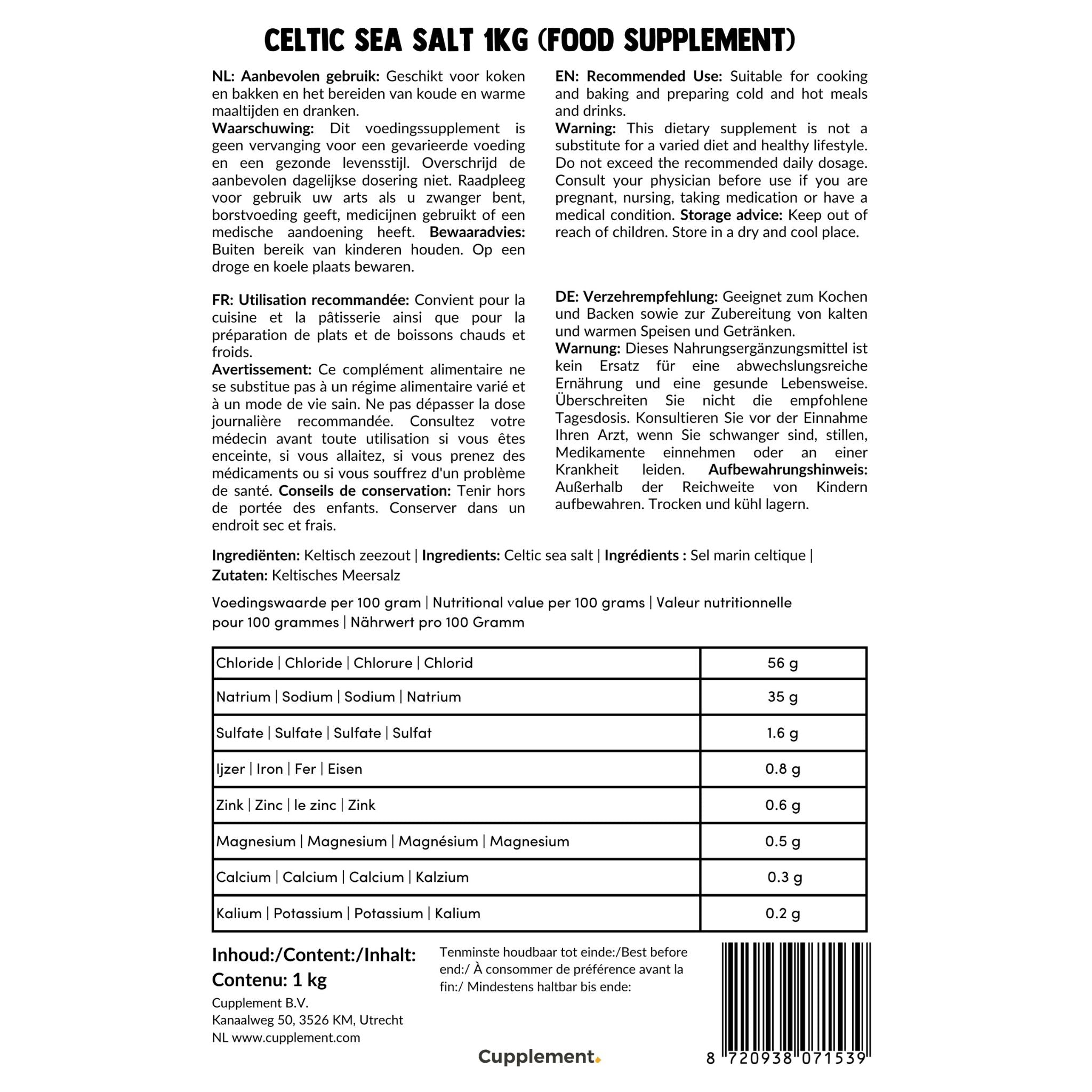
Ordinary table salt is refined: dissolved, purified and recrystallised until almost pure sodium chloride remains. Anti-caking agents are then often added to keep it free-flowing, and in Switzerland usually iodine and sometimes fluoride as well. Unrefined salt contains, alongside sodium chloride, small amounts of other minerals such as magnesium, calcium and potassium. They shape its taste, colour and moisture – but for your mineral intake these amounts hardly matter, simply because you eat too little salt.
What to look for when buying
The simplest criterion is on the ingredients list: unrefined salt needs nothing but salt. If it lists anti-caking agents such as silicon dioxide (E 551) or ferrocyanides (E 535, E 536), it has been processed. The second criterion is practical: moisture. Moist sea salt such as our Celtic Sea Salt clogs a grinder; it belongs in a mortar, a salt dish or straight into the pot. For a grinder, dry, coarse salt works best, such as the coarse Oryx Desert Salt – or the Oryx salt grinder itself.
Related
You will find all our salts under Salt. Why iodine is a particular issue in Switzerland is explained in the article Iodine from seaweed: why amount and origin matter.
Note
Unrefined salt is usually not iodised. In Switzerland, the use of iodised table salt is recommended because the soils contain little iodine. If you use non-iodised salt day to day, make sure you have other sources of iodine – or use both salts side by side. And whatever the variety: salt is still salt. The World Health Organization recommends that adults consume less than five grams a day.